

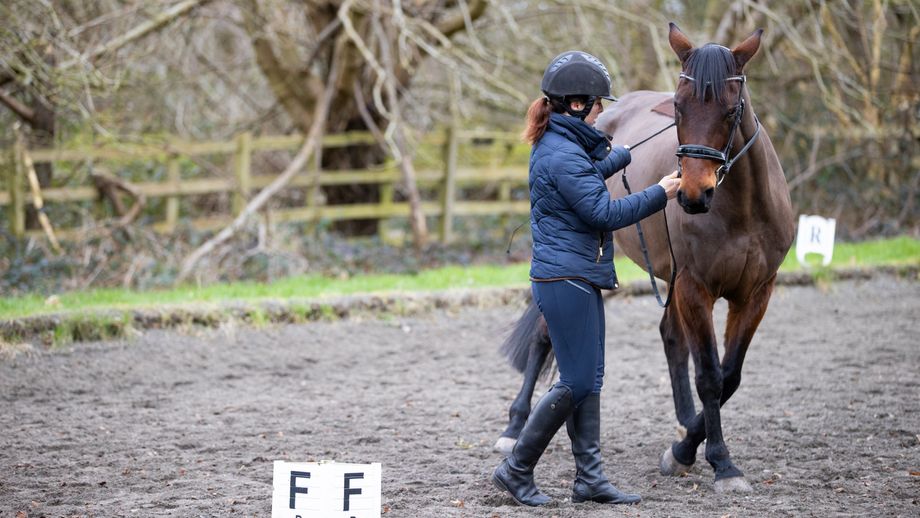
Bringing dressage training at home into your daily routine can be a rewarding way to deepen the partnership between you and your horse. Whether you’re aiming to improve your horse’s balance, refine your aids, or simply enjoy the process of learning together, working from your own arena or paddock offers flexibility and comfort. With the right approach, you can make meaningful progress outside of a formal lesson environment.
Before diving into exercises and routines, it’s important to ensure you have the right safety gear. For guidance on helmet selection, check out how to choose a helmet for eventing for tips on protecting yourself during every ride.
Setting Up for Success in Your Own Arena
Creating an effective environment for dressage schooling at home starts with preparation. A safe, level surface is essential—whether it’s a formal arena, a grass paddock, or a flat section of your property. Marking out a dressage rectangle with cones or poles can help you visualize patterns and maintain accuracy in your exercises.
- Check footing: Ensure the ground is even and not slippery to prevent injuries.
- Keep it tidy: Remove obstacles and distractions to help your horse focus.
- Have basic equipment: A well-fitted saddle, bridle, and safety gear are non-negotiable for effective practice.
Structuring Your At-Home Dressage Sessions
Consistency is key when working on dressage routines at home. Plan sessions that are manageable for both you and your horse, aiming for quality over quantity. Start with a clear warm-up, progress to focused exercises, and finish with a cool-down.
- Warm-up: Begin with 10–15 minutes of walk and trot, encouraging your horse to stretch and move forward freely.
- Main exercises: Focus on one or two key movements per session—such as circles, serpentines, or transitions—to avoid overwhelming your horse.
- Cool-down: Allow your horse to relax with long-rein walking and gentle stretching.
Remember, short, focused sessions (20–40 minutes) are often more productive than longer rides that lead to fatigue or frustration.

Key Exercises for Home-Based Dressage Practice
Building a strong foundation at home involves practicing fundamental movements. Here are a few exercises that can be adapted to any level:
- Circles and serpentines: Help improve suppleness and balance. Vary the size to challenge your horse’s flexibility.
- Transitions: Moving between walk, trot, and canter sharpens responsiveness and engagement.
- Lateral work: Leg-yields and shoulder-in can be introduced gradually to develop straightness and coordination.
- Halts and rein-backs: Reinforce obedience and self-carriage.
For more in-depth advice on developing balance and symmetry, consider reading this guide to balance and symmetry in dressage.
Staying Motivated and Tracking Progress
Working independently means you’ll need to set goals and monitor your achievements. Keep a training journal to record what went well and what needs improvement. Use video recordings to review your sessions and spot areas for adjustment.
- Set realistic goals: Break down larger objectives into smaller, achievable steps.
- Celebrate progress: Recognize small wins, such as smoother transitions or improved straightness.
- Stay flexible: Adjust your plan based on your horse’s mood, fitness, and external factors like weather.
Essential Equipment and Horse Care
Quality tack and attentive horse care are crucial for productive home schooling. Ensure your saddle fits both you and your horse comfortably. Regularly check your bridle, girth, and stirrups for wear and tear.
Hoof health is especially important when riding on varied surfaces. Using a protective balm can help maintain strong, healthy hooves, especially if your arena footing is dry or abrasive.
Safety and Rider Well-being
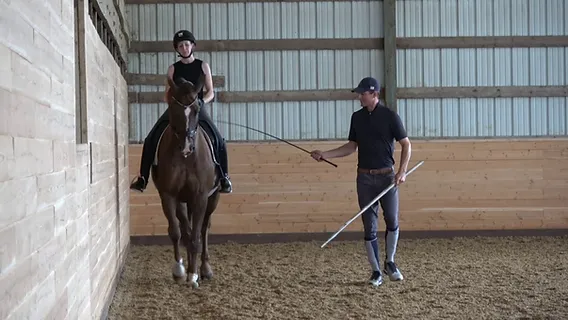
Practicing at home means you’re responsible for your own safety. Always wear a properly fitted helmet and appropriate footwear. If you’re unsure about helmet fit or expiration, you can learn more from resources like how to check riding helmet expiration dates.
Consider riding with a friend or letting someone know when you’re working with your horse, especially if you’re riding alone. Keep a phone nearby in case of emergencies, and avoid pushing yourself or your horse beyond your current abilities.
Common Challenges and How to Overcome Them
Training outside of a lesson environment can present unique obstacles. Horses may become distracted at home, or you may struggle with motivation. Here are some practical solutions:
- Distraction: Keep sessions short and engaging. Use varied exercises to maintain your horse’s attention.
- Plateaus: If progress stalls, revisit basics or seek feedback from a coach via video.
- Motivation: Set a schedule and invite a riding buddy to join you for accountability.
Frequently Asked Questions
What equipment do I need to start dressage schooling at home?
At a minimum, you’ll need a well-fitting saddle and bridle, a safe riding area, and personal safety gear such as a certified helmet. Markers like cones or poles can help define your arena. Regularly check all tack for safety and comfort.
How often should I practice dressage movements at home?
Aim for three to five sessions per week, keeping each session focused and manageable. Consistency is more important than duration. Allow your horse rest days to recover and avoid overtraining.
Can I progress in dressage without a regular instructor?
Yes, many riders make significant progress independently by setting clear goals, using training journals, and reviewing video footage. However, occasional lessons or remote feedback from a qualified coach can provide valuable guidance and prevent the development of bad habits.