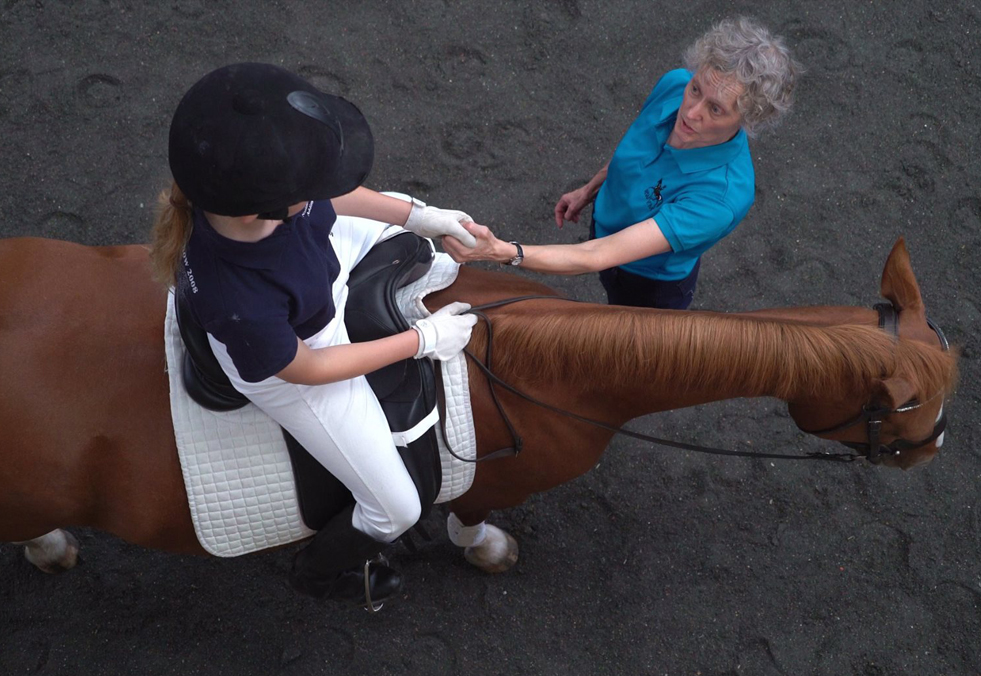
Achieving harmony between horse and rider is at the heart of classical dressage. However, the journey toward advanced performance is only sustainable when the horse remains physically and mentally healthy. Dressage training and horse soundness are inseparable concepts—each influencing the other at every stage of development. Riders, trainers, and horse owners must understand how proper schooling routines, biomechanics, and management practices can support a horse’s long-term well-being while building skill and suppleness.
This guide explores how to balance progressive schooling with the physical needs of the equine athlete, offering practical strategies to help maintain your partner’s health and performance. Whether you’re new to the discipline or refining your program, understanding these principles is essential for every dressage enthusiast.
For those looking to deepen their understanding of lateral work and its impact on equine health, the shoulder-in dressage exercise is a foundational movement that can be incorporated thoughtfully into your training routine.
Understanding the Link Between Schooling and Equine Health
The relationship between dressage training and horse soundness is built on the principle that correct, systematic schooling develops not only a horse’s athletic ability but also its resilience and comfort. When dressage is practiced with attention to biomechanics and gradual progression, it strengthens the horse’s topline, joints, and core, reducing the risk of injury.
However, improper methods—such as overbending, excessive repetition, or lack of variety—can lead to soreness, behavioral resistance, or even lameness. Maintaining a sound horse requires a holistic approach that considers physical conditioning, mental engagement, and appropriate rest.
Key Principles for Maintaining Soundness in Dressage Horses
To ensure your horse remains healthy and happy throughout its schooling, consider the following core principles:
- Progressive Loading: Gradually increase the intensity and duration of work to allow muscles, tendons, and ligaments to adapt.
- Correct Basics: Focus on rhythm, relaxation, and straightness before advancing to more complex movements.
- Variety in Work: Mix arena schooling with hacking, polework, and turnout to prevent repetitive strain and keep the horse mentally fresh.
- Regular Assessment: Monitor for subtle signs of discomfort, such as changes in gait, attitude, or willingness to work.
- Professional Support: Collaborate with veterinarians, farriers, and bodyworkers to address issues early and maintain optimal health.
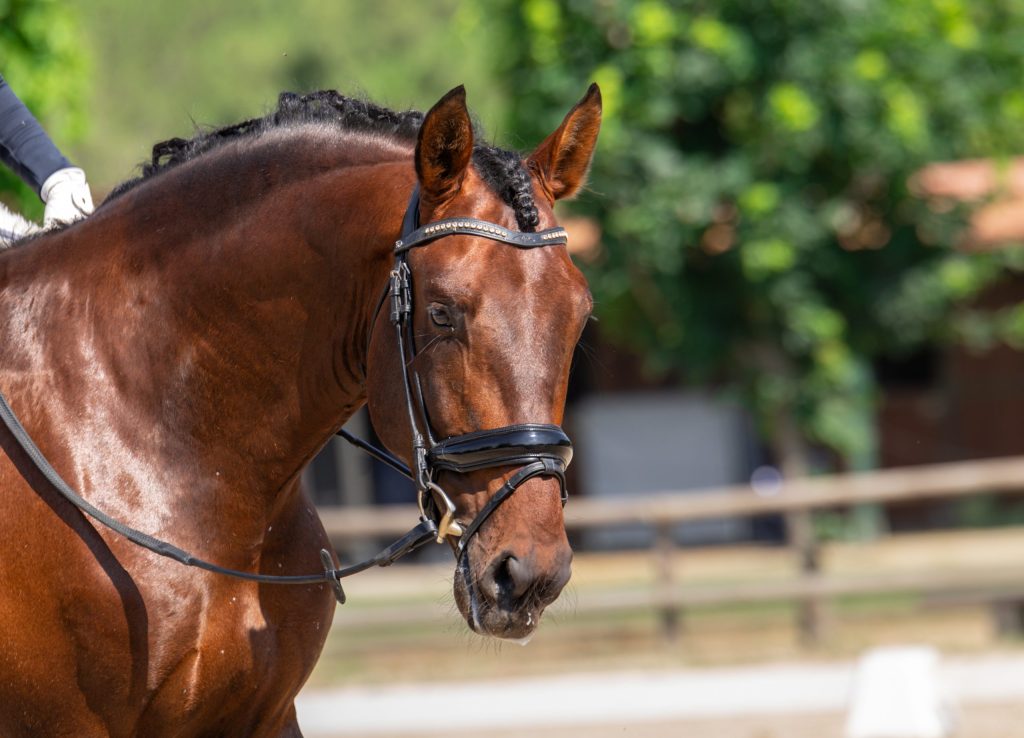
Biomechanics and Its Role in Dressage Horse Longevity
A deep understanding of biomechanics is crucial for anyone aiming to keep their horse sound through years of schooling. Dressage movements, when performed correctly, enhance the horse’s balance, flexibility, and strength. Movements like leg yield and haunches-in, for example, encourage even muscle development and joint mobility.
Riders should pay close attention to their own position and aids, as a well-balanced seat distributes weight evenly and reduces the risk of back or limb strain. For more on how to ride transitions that support soundness, see how to ride correct dressage transitions.
Common Soundness Challenges in Dressage Horses
Despite the best intentions, horses in training can face a range of issues that threaten their well-being. Some of the most frequent challenges include:
- Joint Stress: Repeated lateral work or collected movements can place stress on hocks, stifles, and fetlocks if not introduced gradually.
- Hoof Health: Arena surfaces, shoeing practices, and moisture levels all impact the integrity of the hoof capsule.
- Back Soreness: Poor saddle fit or incorrect rider position can lead to discomfort and resistance.
- Mental Fatigue: Over-drilling or lack of variety may cause the horse to become sour or anxious.
Addressing these issues early with the help of your equine care team can prevent minor concerns from becoming chronic problems.
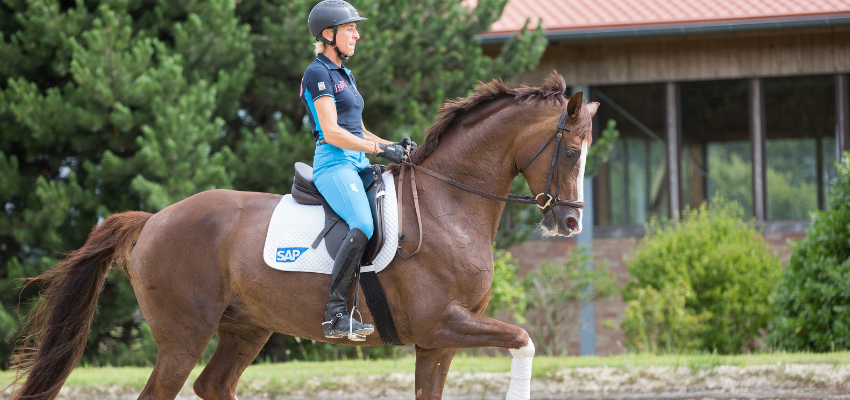
Practical Strategies for Promoting Soundness in Dressage Programs
Keeping your horse healthy throughout its training career requires a proactive and thoughtful approach. Here are several strategies to help you achieve this balance:
- Warm-Up and Cool-Down: Always start with a gradual warm-up to increase circulation and flexibility, and finish with a cool-down to reduce muscle soreness.
- Monitor Surfaces: Vary footing when possible and avoid working on deep or uneven ground that can strain joints and tendons.
- Incorporate Lateral Work: Exercises such as those outlined in dressage lateral movements explained can help develop symmetry and prevent one-sidedness.
- Rest and Recovery: Schedule regular rest days and provide ample turnout to allow for both physical and mental recovery.
- Routine Hoof Care: Maintain a consistent schedule with your farrier and consider topical products to support hoof integrity, especially if your horse is in regular work.
Supporting the Dressage Horse’s Mind and Body
Soundness is not just about the body—it’s also about the mind. Horses thrive when they feel confident and engaged. Incorporate groundwork, trail rides, and positive reinforcement to keep your horse interested and willing. Regularly review your training plan and adjust based on your horse’s feedback.
For those just starting out or looking for a comprehensive overview, this beginner’s guide to dressage offers valuable insights into the fundamentals of the discipline and its impact on equine well-being.
Frequently Asked Questions
How Can I Tell If My Dressage Horse Is Developing Soundly?
Look for consistent, even movement, willingness to work, and a relaxed demeanor. Subtle signs like tail swishing, ear pinning, or resistance to certain movements may indicate discomfort. Regular veterinary checks and attentive observation are key.
What Role Does Lateral Work Play in Maintaining Soundness?
Lateral movements such as shoulder-in and leg yield encourage even muscle development and flexibility. When introduced correctly, they help prevent stiffness and imbalances that can lead to injury. For more detail, explore our resource on leg yield dressage training.
How Often Should I Give My Dressage Horse a Day Off?
Most horses benefit from at least one full day off per week, with additional lighter days as needed. Listen to your horse’s behavior and consult your veterinarian or trainer to tailor a schedule that supports both progress and recovery.
What Should I Do If My Horse Shows Signs of Lameness?
Immediately reduce workload and consult your veterinarian. Early intervention can prevent minor issues from becoming chronic. Keep detailed records of your horse’s work and any changes in behavior or movement.
Balancing dressage training and horse soundness is an ongoing process that requires knowledge, patience, and adaptability. By prioritizing your horse’s health and well-being, you lay the foundation for a rewarding partnership and sustained success in the arena.