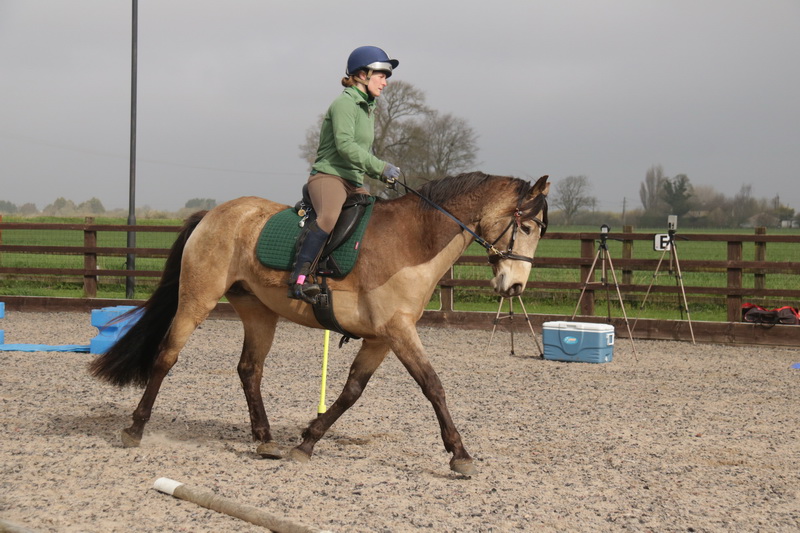
Mastering the dressage seat basics is essential for any equestrian aiming to excel in this discipline. A correct seat not only enhances communication between horse and rider but also supports balance, aids, and overall performance. Whether you are new to dressage or looking to refine your technique, understanding the foundational elements of a proper seat will set the stage for progress in your training sessions and competitions.
This guide explores the core principles of a balanced seat, how to develop it, and why it matters for both you and your horse. For those interested in deepening their knowledge of related topics, learning about horse balance in dressage can further enhance your riding skills and partnership.
Understanding the Foundations of a Balanced Dressage Seat
At the heart of effective dressage riding lies a seat that is both secure and supple. The rider’s position influences every aspect of the horse’s movement and responsiveness. A well-developed seat allows you to move in harmony with your horse, absorb motion, and deliver subtle cues through your body.
The fundamentals of a balanced seat include:
- Alignment: Ears, shoulders, hips, and heels should form a straight line when viewed from the side.
- Relaxation: Tension in the hips, thighs, or lower back can disrupt communication and cause discomfort for both horse and rider.
- Even Weight Distribution: Sitting evenly on both seat bones ensures stability and clear aids.
- Core Engagement: A strong core supports posture and helps absorb the horse’s movement.
Riders who focus on these elements often find it easier to progress to more advanced movements and improve their overall effectiveness in the saddle.
Developing a Secure and Effective Position
Building a reliable seat takes time, patience, and consistent practice. Here are practical steps to help you develop a position that supports both you and your horse:
- Start with Lunge Lessons: Working on the lunge line allows you to focus on your seat without worrying about steering. This is an excellent way to develop balance and independence.
- Check Your Alignment: Regularly assess your posture in the saddle. Use mirrors, video recordings, or feedback from a knowledgeable instructor.
- Relax Your Joints: Allow your hips, knees, and ankles to move with the horse’s motion. Avoid gripping with your thighs or locking your joints.
- Engage Your Core: Gentle core engagement stabilizes your upper body and helps you follow the horse’s movement without collapsing or leaning.
- Practice Transitions: Walk-trot and trot-canter transitions highlight weaknesses in your seat. Focus on maintaining your position and balance throughout.
For more tips on building your horse’s physical capacity, see our guide on building strength for dressage horses.

Key Elements of Dressage Seat Basics
To truly master the essentials of a good seat, it’s important to understand the specific components that make up an effective position in dressage:
Seat Bones and Pelvic Position
The seat bones are your primary point of contact with the saddle. Sitting evenly on both seat bones allows for clear, consistent aids and helps you follow the horse’s movement. Tilt your pelvis slightly forward to maintain a neutral spine, avoiding excessive arching or rounding of the lower back.
Upper Body Posture
Your upper body should remain tall and open, with shoulders relaxed and back. Avoid slouching or leaning forward, as this can unbalance both you and your horse. Imagine a straight line running from your ear through your shoulder, hip, and heel.
Leg Position and Contact
Legs should drape softly around the horse’s barrel, with gentle contact from the thigh to the ankle. Heels should be down, but not forced, and knees should remain relaxed. This allows for effective use of the leg without gripping or tension.
For more on improving your horse’s flexibility and responsiveness, see our article on improving horse suppleness dressage.

Common Mistakes and How to Fix Them
Even experienced riders can develop habits that hinder their progress. Here are some frequent issues and practical solutions:
- Gripping with the Thighs: This creates tension and blocks the horse’s movement. Focus on allowing your legs to hang naturally, using your core for stability.
- Collapsing the Upper Body: Slouching or leaning forward disrupts balance. Practice riding with a tall, open chest and relaxed shoulders.
- Uneven Weight Distribution: Shifting more weight to one seat bone can confuse your horse. Frequently check your alignment and use mirrors or video for feedback.
- Stiffness in the Hips: Tight hips limit your ability to follow the horse’s motion. Incorporate stretching and off-horse exercises to improve flexibility.
Addressing these issues early on will help you develop a more effective and harmonious partnership with your horse.
Why a Good Seat Matters in Dressage
The importance of a correct seat extends beyond aesthetics. It directly impacts your horse’s ability to perform movements with balance, impulsion, and suppleness. A rider who sits quietly and follows the horse’s motion allows the animal to move freely and respond to subtle aids.
For those interested in the core principles behind this discipline, the dressage principles outlined by British Dressage provide a comprehensive overview of the values and techniques that define the sport.
Additionally, a solid seat is the foundation for advancing to more complex exercises, such as lateral movements and collected work. Riders who invest time in perfecting their position often see improvements in their horse’s willingness, confidence, and overall performance.
Tips for Practicing Dressage Seat Basics at Home
Consistent practice is key to developing and maintaining a strong seat. Here are some strategies you can use both in and out of the saddle:
- Off-Horse Exercises: Pilates, yoga, and core strengthening routines can improve your posture and flexibility.
- Visualization: Mentally rehearse your position and movements before riding. This can enhance muscle memory and body awareness.
- Use of Training Tools: Balance pads and exercise balls can help you develop stability and core strength.
- Regular Feedback: Work with a qualified instructor who can provide guidance and corrections tailored to your needs.
As you progress, consider integrating concepts from our guide on developing impulsion in dressage to further refine your skills.
Frequently Asked Questions
What is the most important aspect of a correct seat in dressage?
The most crucial element is maintaining alignment and balance. This allows the rider to move in harmony with the horse and deliver clear, effective aids.
How can I tell if I am sitting evenly on my seat bones?
You should feel equal pressure on both seat bones. If you notice more weight on one side, adjust your posture and check your alignment in mirrors or by asking for feedback from an instructor.
Why does my instructor emphasize core strength for dressage?
A strong core stabilizes your upper body, absorbs the horse’s movement, and prevents you from gripping with your legs or collapsing your posture. This leads to a more effective and independent seat.
Can improving my seat help my horse’s performance?
Absolutely. A balanced and supple seat enables your horse to move more freely, respond to subtle cues, and develop better balance and engagement.
Where can I learn more about dressage training and related topics?
Explore our resources on creating a dressage training schedule for horses and other in-depth guides to support your journey.