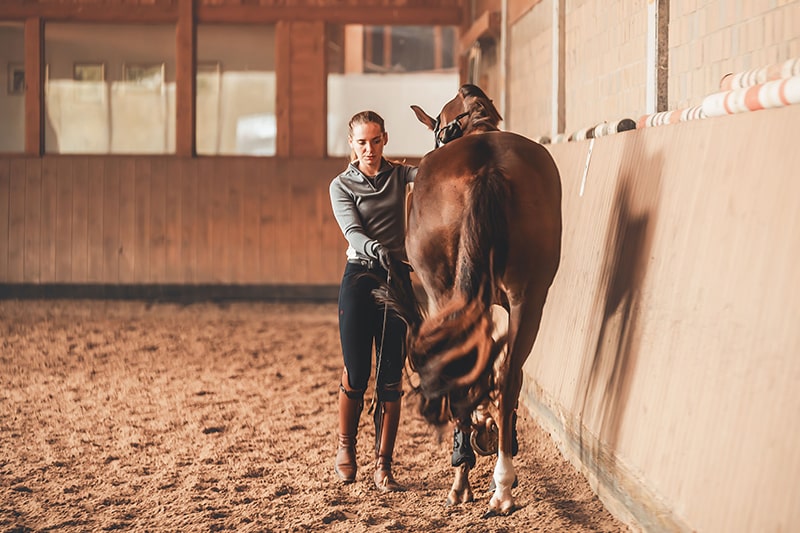
Achieving harmony and precision in dressage requires more than just skillful riding—it demands a deep understanding of balance. For riders aiming to improve their seat, posture, and communication with their horse, mastering balance is a fundamental step. This guide offers practical advice and proven strategies to help equestrians develop a more secure, effective position in the saddle.
Whether you are a beginner or an experienced competitor, refining your sense of equilibrium can make a significant difference in your performance. As you work on your riding, it’s also helpful to be aware of common rider mistakes in dressage that may impact your progress. Addressing these issues early can set the stage for lasting improvement.
Why Rider Balance Matters in Dressage
In the discipline of dressage, the rider’s ability to maintain a centered and supple position is essential. Good balance allows for clearer aids, better communication, and a more harmonious partnership with the horse. When the rider is balanced, the horse can move more freely and respond more accurately to subtle cues.
Imbalance, on the other hand, can lead to tension, miscommunication, and even physical discomfort for both horse and rider. By focusing on balance, you not only improve your effectiveness but also contribute to your horse’s comfort and confidence in the arena.
Key Principles for Improving Balance in the Saddle
Developing a stable and dynamic seat is a process that involves awareness, practice, and sometimes, unlearning old habits. Here are several foundational concepts to guide your journey:
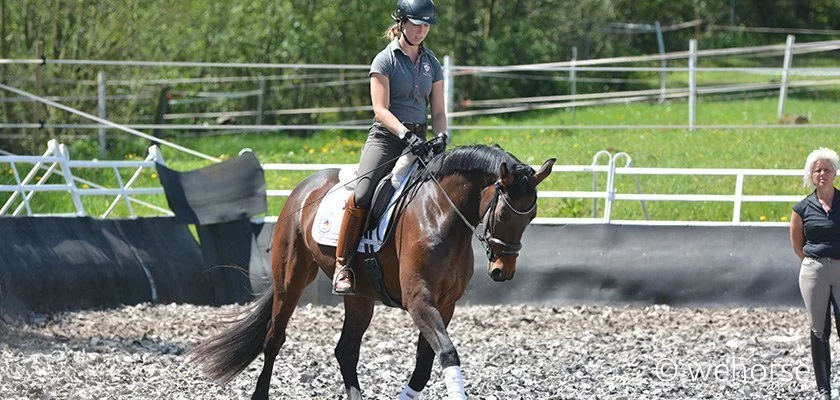
- Alignment: Keep your ear, shoulder, hip, and heel in a straight line. This vertical alignment helps distribute your weight evenly and prevents tipping forward or backward.
- Relaxation: Tension in the body can disrupt your center of gravity. Focus on relaxing your hips, thighs, and shoulders while maintaining an engaged core.
- Core Engagement: A strong core stabilizes your upper body and allows your legs to remain soft and responsive. Incorporate off-horse exercises to build core strength.
- Even Weight Distribution: Aim to keep your weight balanced across both seat bones. Avoid collapsing to one side, which can cause your horse to drift or become crooked.
Practical Dressage Rider Balance Tips for Everyday Training
Applying theory to practice is where real progress happens. The following suggestions can help you build better balance during your regular schooling sessions:
- Check Your Position Regularly: Use mirrors, video feedback, or a knowledgeable ground person to assess your alignment and make small adjustments as needed.
- Work Without Stirrups: Riding without stirrups, even for short periods, encourages a deeper seat and greater independence of the legs. Start slowly and focus on maintaining relaxation.
- Practice Transitions: Smooth transitions between gaits require you to stay centered and supple. Focus on keeping your upper body quiet and your seat connected during upward and downward transitions.
- Incorporate Lateral Work: Movements such as leg yield, shoulder-in, and haunches-in challenge your balance and coordination. These exercises help you become more aware of your body and its influence on the horse.
- Use Visualizations: Imagine a line running through your body, connecting you to the horse’s spine. Visualizing this connection can help you maintain a centered position.

Exercises to Enhance Balance and Symmetry
Consistent practice of targeted exercises can accelerate your progress. Here are some effective drills to include in your routine:
- Lunge Lessons: Riding on the lunge line allows you to focus solely on your position without worrying about steering. Ask a trainer to longe your horse while you practice sitting trot, canter, and transitions.
- Standing in the Stirrups: Briefly rising out of the saddle at walk and trot helps you find your center and improves lower leg stability.
- Switching Reins Frequently: Changing direction often helps identify and correct one-sidedness in your seat and aids.
- Off-Horse Balance Training: Activities like yoga, Pilates, or balance board exercises can enhance your body awareness and core stability, translating to better riding.
Common Pitfalls and How to Avoid Them
Even dedicated riders can fall into habits that undermine their balance. Here are some frequent issues and solutions:
- Gripping with the Knees: This often leads to a tense seat and loss of flexibility. Instead, allow your legs to drape softly around the horse.
- Leaning Forward: Sitting too far forward disrupts your center of gravity. Focus on keeping your shoulders back and your chest open.
- Uneven Hands: Carrying your hands at different heights can unbalance your upper body. Keep your reins even and your elbows close to your sides.
- Ignoring Feedback: Horses often reflect the rider’s balance. If your horse is crooked or resistant, reassess your own position first.
For more insights on achieving a secure seat, explore resources like dressage seat basics and how to improve dressage riding position. These guides offer additional exercises and troubleshooting tips.
Building a Strong Foundation for Progress
Consistency is key when it comes to developing balance. Regular lessons with a qualified instructor, honest self-assessment, and a willingness to try new exercises all contribute to steady improvement. Remember, progress may be gradual, but each small step brings you closer to a more harmonious partnership with your horse.
It’s also valuable to understand the underlying principles of effective riding. The core principles of dressage methodology emphasize the importance of rider position, balance, and communication. Integrating these philosophies into your daily practice can help you achieve long-term success.
FAQs on Achieving Better Balance in Dressage
What are the most effective exercises to improve balance for dressage riders?
Some of the most effective exercises include riding without stirrups, lunge lessons, practicing transitions, and incorporating lateral movements. Off-horse activities like yoga and Pilates also help develop core strength and body awareness, which are crucial for maintaining stability in the saddle.
How can I tell if I am sitting evenly on my horse?
Pay attention to your seat bones—both should feel equally weighted. Mirrors, video feedback, or guidance from an instructor can help you identify and correct any imbalances. If your horse consistently drifts to one side or feels crooked, it may indicate unevenness in your position.
Why does my horse become tense when I lose my balance?
Horses are highly sensitive to shifts in the rider’s weight and tension. When you lose balance, it can create confusion or discomfort for your horse, leading to tension or resistance. Focusing on relaxation and even weight distribution helps your horse stay calm and responsive.
Is core strength really that important for dressage?
Yes, a strong core is vital for maintaining a stable upper body and allowing your legs to remain soft and effective. Core strength supports better posture, balance, and the ability to absorb movement, all of which are essential for effective dressage riding.
Conclusion
Developing balance in dressage is a continuous journey that pays dividends in both performance and partnership. By focusing on alignment, relaxation, and targeted exercises, you can create a more effective seat and clearer communication with your horse. Remember to seek feedback, stay patient, and enjoy the process of growth as a rider.
For further reading on building a solid foundation, consider exploring conditioning a horse for dressage, which complements your own balance work by ensuring your horse is equally prepared for the demands of the sport.