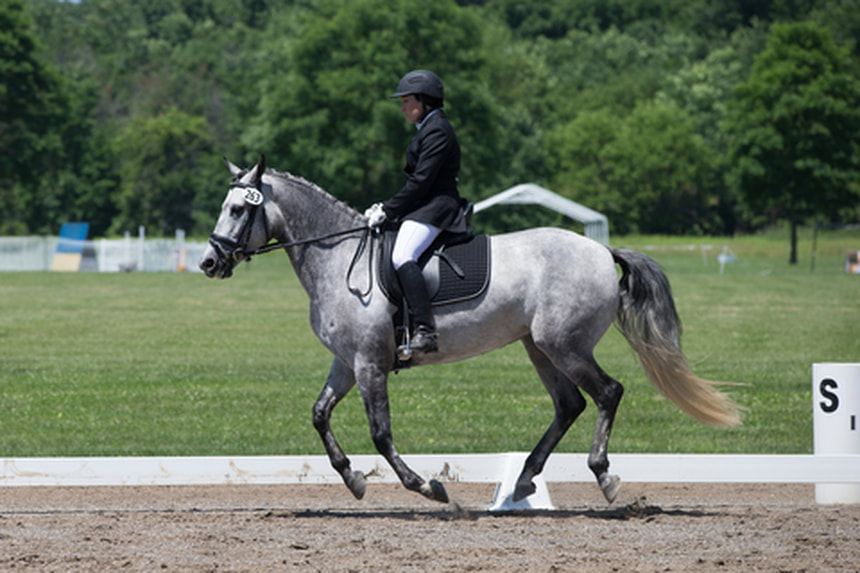
Mastering dressage lateral movements is essential for riders aiming to develop their horse’s suppleness, balance, and responsiveness. These maneuvers, which ask the horse to move sideways as well as forward, are foundational in both training and competition. Understanding how and why these movements work helps riders communicate more clearly and improve overall performance in the arena.
This guide covers the main types of lateral work, how to introduce them, and the benefits they bring to both horse and rider. If you’re working to refine your technique, it’s also helpful to review related skills such as hand position in dressage riding, which plays a crucial role in clear communication during lateral exercises.
Understanding the Basics of Lateral Work
Lateral movements in dressage involve the horse moving forward and sideways simultaneously. These exercises are not just for advanced riders; they are introduced progressively as the horse develops strength and understanding. The main goal is to improve flexibility, straightness, and obedience to the aids.
Before introducing these maneuvers, ensure your horse is responsive to basic aids and can maintain a steady rhythm and contact. A solid foundation in effective leg aids in dressage will make learning lateral work much smoother for both horse and rider.
Key Dressage Lateral Movements and Their Purposes
There are several core lateral exercises used in dressage training. Each has a specific purpose and is introduced at different stages of the horse’s education.
Leg Yield
Leg yield is typically the first lateral movement taught. The horse moves forward and sideways away from the rider’s leg, crossing its legs while remaining straight through the body. This exercise encourages suppleness and responsiveness, helping the horse learn to move away from pressure.
Shoulder-In
In shoulder-in, the horse’s shoulders are brought slightly to the inside while the hindquarters remain on the track. The horse moves on three tracks, with the inside hind leg stepping under the body. This movement develops engagement, balance, and lateral flexibility.
Travers (Haunches-In) and Renvers (Haunches-Out)
Travers asks the horse to move with its haunches to the inside of the arena, while renvers is the opposite, with haunches to the outside. Both require the horse to bend around the rider’s inside leg and maintain forward movement. These exercises build strength and coordination, preparing the horse for more advanced work.
Half-Pass
The half-pass is a more advanced movement where the horse moves forward and sideways with a slight bend in the direction of travel. Unlike leg yield, the horse is bent around the rider’s inside leg. This exercise demonstrates collection, balance, and a high degree of obedience to the aids.
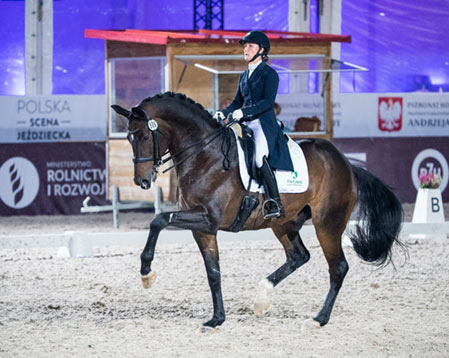
How to Introduce Sideways Movements to Your Horse
Introducing lateral work should be a gradual process. Start with leg yield at the walk, using gentle aids and rewarding even small attempts. As your horse gains confidence, progress to trot and eventually to more complex exercises like shoulder-in.
Consistency is key. Keep sessions short and positive, focusing on quality rather than quantity. If you encounter resistance, return to simpler exercises and ensure your aids are clear. Riders can benefit from reviewing dressage rider balance tips to maintain a stable seat and effective communication during these exercises.
Benefits of Lateral Work in Dressage Training
Practicing lateral movements offers a range of benefits for both horse and rider:
- Improved suppleness: Sideways work stretches and strengthens the horse’s muscles, making them more flexible and comfortable to ride.
- Better balance and straightness: Lateral exercises help correct crookedness and encourage even development on both sides.
- Enhanced obedience: The horse learns to listen to subtle aids, improving overall rideability.
- Preparation for advanced work: Movements like half-pass are essential for higher-level dressage tests and demonstrate a high degree of training.
Riders also gain a deeper understanding of timing and coordination, which translates to better performance in all aspects of riding.
Common Challenges and How to Overcome Them
Many riders encounter difficulties when first teaching lateral work. Some common issues include:
- The horse rushing or losing rhythm during sideways movement
- Lack of clear bend or incorrect positioning
- Resistance to the aids or tension in the body
Address these problems by returning to basics. Focus on straightness, clear aids, and maintaining a steady tempo. Sometimes, revisiting fundamental skills such as how to develop an independent seat can help riders stay balanced and effective.
If challenges persist, consider working with a qualified instructor or referencing expert resources like this guide to developing balance and symmetry for horse and rider.
Tips for Progressing Your Lateral Work
- Introduce new movements gradually, ensuring the horse understands each step before moving on.
- Use mirrors or video to check your position and the horse’s alignment.
- Alternate between lateral work and straight lines to prevent fatigue and maintain engagement.
- Reward small improvements to keep your horse motivated and confident.
- Continue to refine your use of rider aids in dressage for clearer communication.
Frequently Asked Questions
What is the difference between leg yield and half-pass?
In leg yield, the horse moves sideways and forward with its body straight or slightly bent away from the direction of travel. In half-pass, the horse is bent in the direction of movement, requiring greater balance and collection.
When should I start teaching lateral movements to my horse?
Begin introducing basic lateral work, such as leg yield, once your horse responds reliably to the aids and can maintain rhythm and straightness. More advanced movements like shoulder-in and half-pass should be introduced progressively as the horse develops strength and understanding.
Why are lateral movements important in dressage?
Sideways exercises improve suppleness, straightness, and obedience, which are essential for higher-level dressage. They also help correct asymmetries and prepare the horse for more complex work.