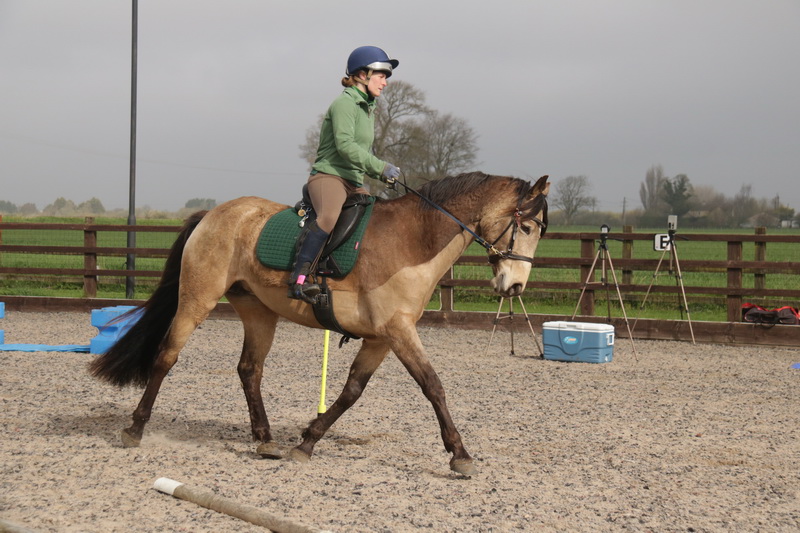
Building a dressage horse fitness program is essential for developing a horse’s strength, flexibility, and stamina. A well-structured plan not only supports performance in the arena but also helps prevent injuries and ensures long-term soundness. Whether you are preparing for your first dressage test or aiming to advance through the levels, understanding how to condition your horse effectively will make a significant difference in results and well-being.
In this guide, you’ll find practical steps for designing a tailored conditioning routine, key principles for progressive training, and tips for monitoring your horse’s health throughout the process. For riders interested in refining specific movements, resources like the shoulder-in dressage exercise guide can complement your fitness plan and help target particular areas of development.
Why a Structured Conditioning Plan Matters
Dressage places unique demands on both horse and rider. Horses are expected to perform precise, controlled movements that require not just obedience but also athleticism. Without a systematic approach to fitness, horses may struggle with fatigue, muscle soreness, or even injury. A thoughtful conditioning plan ensures that the horse’s body adapts gradually, building the necessary muscle groups and cardiovascular endurance for sustained work.
A comprehensive fitness program for dressage horses also supports mental well-being. Horses that are fit and comfortable in their bodies are more likely to remain focused and relaxed during training and competition. This foundation allows for more advanced schooling, such as dressage lateral movements explained in detail elsewhere.
Assessing Your Horse’s Starting Point
Before developing a new routine, it’s important to evaluate your horse’s current fitness level. Consider factors such as age, previous workload, health status, and temperament. Horses returning from time off or those new to dressage will require a slower progression compared to those already in regular work.
- Check for any signs of lameness or discomfort.
- Assess muscle tone and body condition.
- Consult with your veterinarian for a health check if needed.
- Observe your horse’s attitude and energy levels during basic exercise.
Core Components of a Dressage Conditioning Routine
A well-rounded dressage horse fitness program should address several key areas:
- Cardiovascular Conditioning: Incorporate walking, trotting, and cantering sessions to build stamina. Start with longer periods of walking, gradually increasing the intensity and duration of trot and canter work.
- Strength Training: Use hill work, transitions, and pole exercises to develop muscle strength. Movements such as leg yield dressage training can also help engage different muscle groups.
- Suppleness and Flexibility: Include lateral work, circles, and serpentines to improve flexibility. This not only aids in movement quality but also reduces the risk of injury.
- Rest and Recovery: Schedule rest days and light work to allow muscles to repair and adapt. Overtraining can lead to setbacks, so balance is key.

Weekly Structure for Progressive Training
Consistency is crucial when building fitness. A typical week might include a mix of flatwork, strength-building exercises, and rest. Here’s an example of how you might structure a week for a horse in moderate work:
| Day | Activity |
|---|---|
| Monday | Long walk and basic flatwork |
| Tuesday | Hill work or pole exercises |
| Wednesday | Rest or light turnout |
| Thursday | Dressage schooling (focus on transitions) |
| Friday | Lateral work and flexibility exercises |
| Saturday | Cardio session (trot/canter sets) |
| Sunday | Rest or trail ride for mental relaxation |
Monitoring Progress and Adjusting the Plan
Regularly assess your horse’s response to the program. Look for improvements in muscle tone, stamina, and willingness to work. If your horse shows signs of fatigue, soreness, or behavioral changes, consider adjusting the workload or consulting a professional. Keeping a training journal can help track progress and identify patterns over time.
As your horse becomes fitter, you can gradually introduce more advanced movements. For example, incorporating exercises from guides like how to ride correct dressage transitions can help refine your horse’s responsiveness and balance.

Common Mistakes to Avoid in Dressage Horse Conditioning
- Skipping gradual progression: Increasing intensity too quickly can lead to strain or injury.
- Neglecting rest days: Muscles need time to recover and strengthen.
- Ignoring warning signs: Always pay attention to changes in your horse’s movement or attitude.
- Overlooking variety: Mixing up routines keeps horses engaged and targets different muscle groups.
Resources for Further Learning
There are many excellent resources available for those looking to deepen their understanding of dressage training and horse fitness. For example, the Horse & Hound forum discussion on starting dressage offers practical advice from experienced riders and trainers. Exploring specialized topics like haunches-in dressage training can also help you address specific challenges as your horse progresses.
Frequently Asked Questions
How long does it take to see results from a new fitness program?
Most horses begin to show improvements in stamina and muscle tone within four to six weeks of consistent training. However, the timeline can vary depending on the horse’s age, previous fitness level, and how gradually the workload is increased. Patience and consistency are key.
What signs indicate my horse is becoming fitter?
Positive indicators include increased energy, improved recovery after exercise, more defined muscle tone, and a willingness to perform new movements. Horses may also show better focus and relaxation during training sessions.
How can I prevent injuries during conditioning?
To reduce the risk of injury, always warm up and cool down thoroughly, increase workload gradually, and include regular rest days. Monitor your horse for any signs of discomfort and consult with a veterinarian or experienced trainer if you notice any issues.