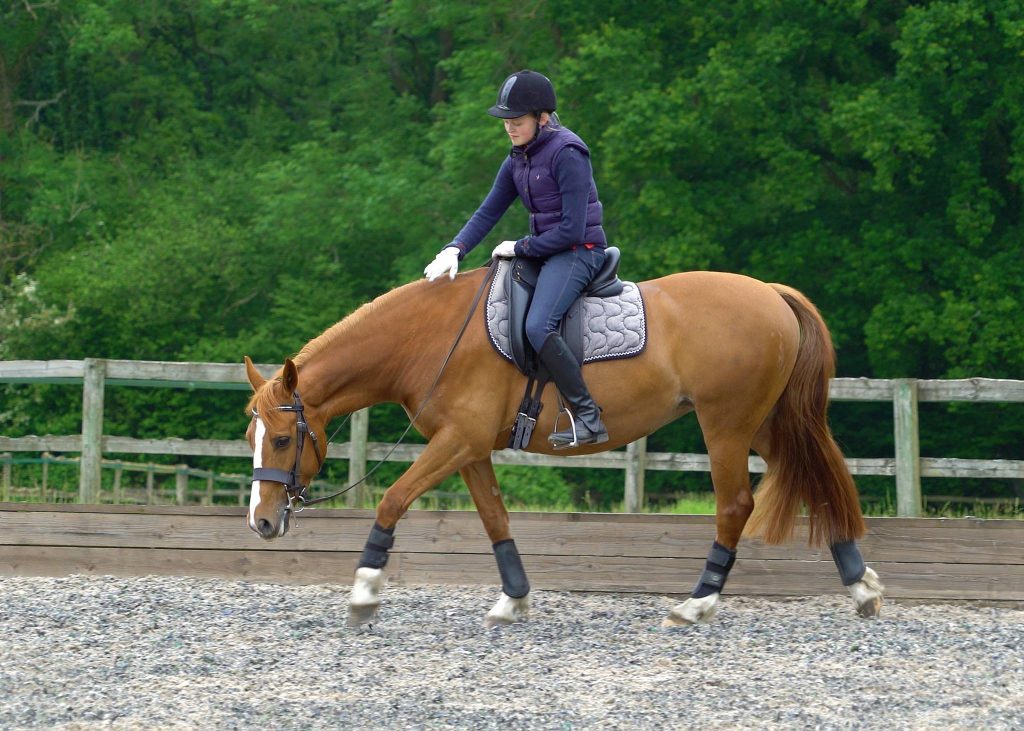
Understanding dressage circles and figures is fundamental for riders aiming to improve their accuracy, balance, and communication with their horse. These geometric patterns are the building blocks of dressage training, helping both horse and rider develop rhythm, suppleness, and straightness. Whether you are preparing for your first test or refining advanced movements, mastering these patterns is essential for progress in the arena.
This guide will break down the most common shapes used in dressage, explain their purpose, and provide practical tips for riding them correctly. You’ll also find useful resources, including advice on hand position in dressage riding, to support your journey toward more precise and effective riding.
Why Geometric Patterns Matter in Dressage
The use of dressage circles and figures is not just about aesthetics; these shapes serve a clear training purpose. By riding accurate patterns, you teach your horse to bend, balance, and respond to subtle aids. Circles, serpentines, loops, and other figures encourage the horse to use its body correctly, improving flexibility and engagement of the hindquarters.
For riders, practicing these movements develops coordination and feel. It also highlights any weaknesses in the horse’s way of going or the rider’s position, allowing for targeted improvement. Consistent work with these patterns lays the foundation for more advanced exercises and higher-level tests.
Common Dressage Circles and Figures
Let’s explore the most frequently used shapes in the dressage arena, their benefits, and how to ride them with accuracy.
The 20-Meter Circle
The 20-meter circle is one of the first figures riders learn. It appears in nearly every dressage test, from introductory to advanced levels. This large circle helps the horse learn to bend evenly while maintaining a steady rhythm and connection.
- How to ride: Start at a designated letter (A, C, E, or B) and imagine four equal points around the circle. Keep your eyes up, use your inside leg to encourage bend, and maintain even contact on both reins.
- Common mistakes: Allowing the circle to become oval or drifting toward the rail. Focus on riding a true circle, not just following the arena wall.
10-Meter and 15-Meter Circles
As you progress, smaller circles are introduced. These require greater suppleness and balance from the horse and increased precision from the rider.
- 10-meter circles: Used in more advanced tests, these demand significant bend and engagement. Ride them only when your horse is ready for the challenge.
- 15-meter circles: Often used as a stepping stone between 20- and 10-meter circles, helping to gradually increase difficulty.
Serpentines and Loops
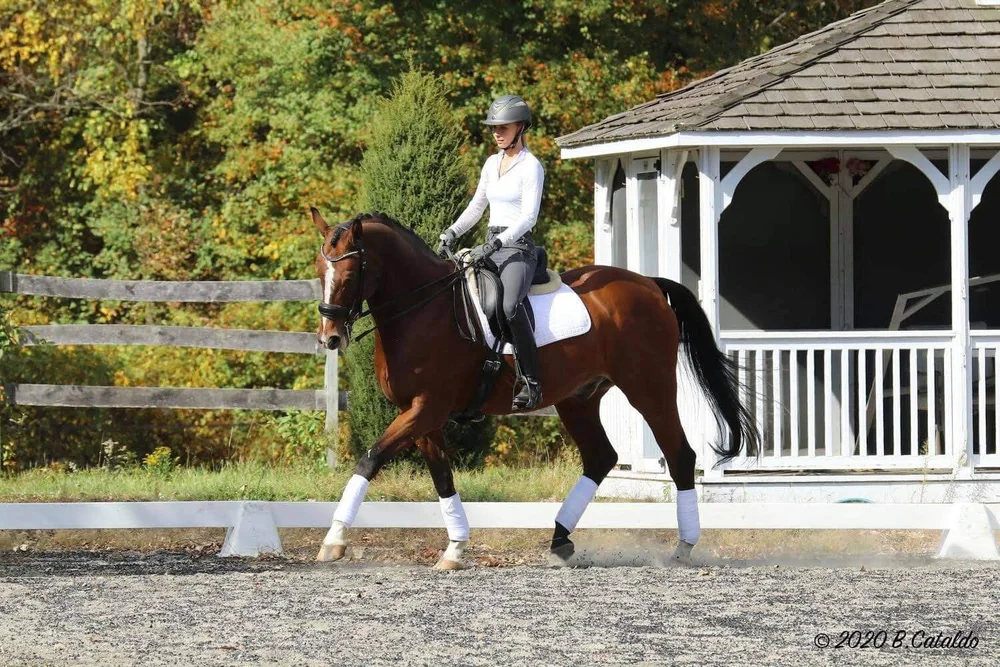
Serpentines are S-shaped figures that require the horse to change bend smoothly as you cross the centerline. They are excellent for improving suppleness and responsiveness to the rider’s aids. Loops, such as the three-loop serpentine, challenge both horse and rider to maintain rhythm and accuracy through frequent changes of direction.
- How to ride: Focus on preparing for each change of bend in advance. Use your inside leg and outside rein to guide the horse through each curve.
- Benefits: Enhances flexibility and encourages the horse to listen to subtle cues.
Half Circles and Figure-Eights
Half circles and figure-eights combine two or more arcs, often with a change of rein across the arena. These patterns are useful for practicing transitions, changes of bend, and straightness.
- Half circles: Ride a half circle from one side of the arena to the centerline, then continue in the opposite direction. This helps with balance and bend.
- Figure-eights: Combine two circles of equal size, changing direction and bend at the center. Focus on making both circles the same size and shape.
Tips for Riding Accurate Patterns
Precision is key when working with dressage circles and figures. Here are some practical tips to help you and your horse ride these shapes correctly:
- Plan ahead: Visualize the shape before you ride it. Use markers or cones if needed to help define the circle or figure.
- Maintain consistent bend: Your horse should be bent around your inside leg, with the body following the arc of the figure. Avoid over-bending the neck.
- Keep an even rhythm: The tempo should remain steady throughout the movement, regardless of the figure’s size or complexity.
- Use your aids effectively: Subtle use of seat, legs, and hands is essential. For more on this, see our article on effective leg aids in dressage.
- Look where you’re going: Your eyes and shoulders should guide the horse through the pattern, not just your reins.
Common Challenges and How to Overcome Them
Even experienced riders can struggle with certain aspects of dressage circles and figures. Here are some typical issues and solutions:
- Oval or lopsided circles: Use arena markers to check your geometry. Practice riding circles at different letters to avoid relying on the rail.
- Loss of rhythm or balance: Slow down and focus on quality over quantity. If your horse rushes or falls in, return to a larger circle and re-establish control.
- Incorrect bend: Make sure your inside leg is active and your outside rein supports the shoulder. Avoid pulling the head to the inside.
- Difficulty changing direction: Prepare for the change by rebalancing your horse and using clear aids. Serpentines and figure-eights are excellent exercises for this.
Building Skills with Dressage Patterns
Incorporating a variety of dressage circles and figures into your schooling sessions will improve your horse’s athleticism and your own riding technique. Start with larger, simpler shapes and gradually introduce smaller circles and more complex patterns as you and your horse gain confidence.
Remember, accuracy and consistency are more important than speed. Take time to perfect each figure before moving on, and don’t hesitate to revisit foundational exercises as needed. For additional guidance on developing your seat and balance, explore our resource on how to develop an independent seat.
Further Resources and Learning
For those new to the discipline, a comprehensive overview like the beginner equestrian’s guide to dressage riding can provide valuable context and step-by-step advice. As you progress, focus on refining your technique with targeted exercises, such as those found in our article on dressage rider balance tips.
Frequently Asked Questions
What is the purpose of riding circles in dressage?
Circles help develop the horse’s balance, suppleness, and ability to bend correctly. They also teach the rider to use aids more effectively and ride with greater accuracy.
How can I improve the accuracy of my dressage figures?
Use arena markers as reference points, plan your path before you start, and focus on maintaining a consistent bend and rhythm. Practicing with cones or visual aids can also help.
Why does my horse struggle with smaller circles?
Smaller circles require more suppleness and engagement from the horse. If your horse finds them difficult, work on larger circles first and gradually decrease the size as flexibility and strength improve.
Are there specific rider skills needed for accurate figures?
Yes, a balanced seat, correct hand position, and effective use of the legs are all crucial. Riders should also be able to look ahead and plan their path, making adjustments as needed. For more details, see our article on rider aids in dressage explained.