Achieving true impulsion is a cornerstone of successful dressage. Riders and trainers alike strive to cultivate this quality, as it leads to improved performance, harmony, and athleticism in the horse. Developing impulsion in dressage is not simply about speed or energy; it’s about channeling the horse’s power in a controlled, balanced, and forward-thinking manner. This guide explores practical techniques, foundational principles, and common challenges associated with building impulsion, offering actionable advice for riders at all levels.
Whether you’re working with a seasoned partner or just starting out, understanding how to foster engagement and forwardness is essential. For those interested in foundational skills, the article on introduction to dressage riding provides a helpful starting point and context for the principles discussed here.
Understanding Impulsion and Its Role in Dressage
Impulsion is often described as the controlled, energetic thrust that comes from the horse’s hindquarters, resulting in expressive, elastic movement. In the context of dressage, it’s the quality that allows a horse to move forward with purpose, maintaining rhythm and balance without rushing or losing relaxation.
The development of impulsion is closely tied to the horse’s ability to engage its hind legs, lift its back, and respond promptly to the rider’s aids. This energy must be directed forward and upward, not wasted in tension or resistance. When achieved, impulsion leads to improved transitions, more expressive gaits, and a greater sense of connection between horse and rider.
Key Principles for Building Forward Energy
Before diving into exercises, it’s important to understand the foundational principles that support the creation of impulsion:
- Engagement of the Hindquarters: The horse must step under its body with its hind legs, carrying more weight behind and freeing the forehand.
- Relaxation and Suppleness: Tension blocks energy. A supple, relaxed horse can channel energy forward rather than brace against the aids.
- Responsiveness to the Aids: The horse should react promptly to light leg and seat cues, moving forward willingly without resistance.
- Consistent Rhythm: Maintaining a steady tempo helps prevent rushing or lagging, both of which can disrupt impulsion.
- Connection and Contact: A soft, elastic connection from the hindquarters through the back and into the bridle allows energy to flow.
Riders interested in how these principles apply to horses at different life stages may find the article on dressage training older horses particularly useful.
Practical Exercises for Encouraging Impulsion
There are several effective exercises that can help riders and horses develop more forward energy and engagement. The following routines can be incorporated into regular schooling sessions:
Transitions Within and Between Gaits
Frequent transitions—both within a gait (such as lengthening and shortening the trot) and between gaits (walk-trot, trot-canter)—encourage the horse to listen to the rider’s aids and push off more actively from behind. Focus on keeping transitions crisp, straight, and balanced.
Use of Cavaletti and Poles
Riding over ground poles or low cavaletti encourages the horse to pick up its feet, engage the core, and activate the hindquarters. Start with walk and trot poles, gradually increasing complexity as the horse gains confidence.
Riding Figures and Lateral Work
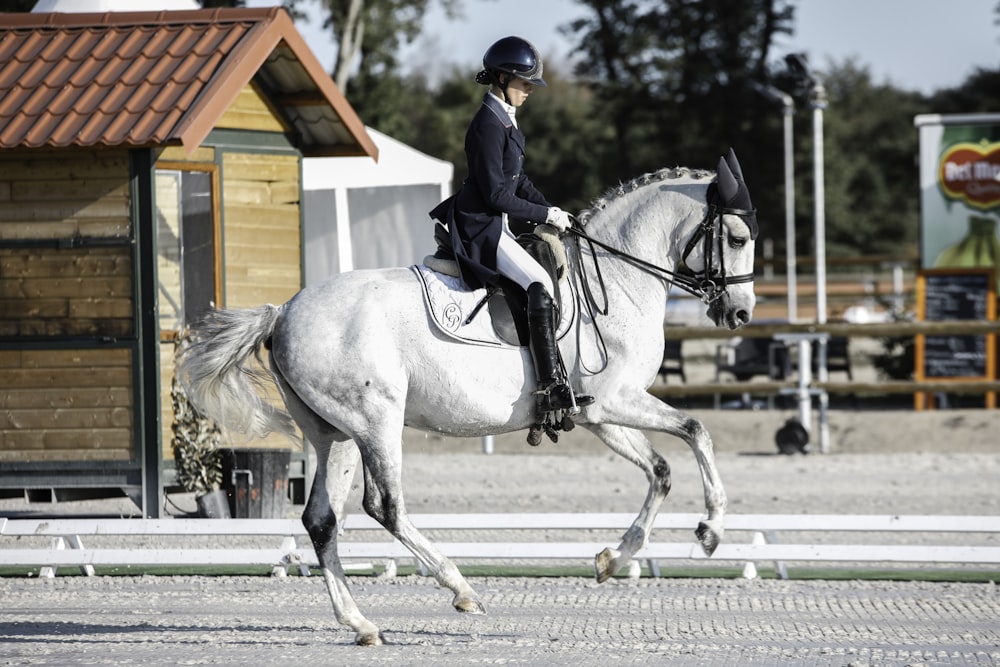
Incorporating circles, serpentines, and lateral movements such as leg-yield and shoulder-in helps the horse become more supple and responsive. These exercises encourage engagement and help the rider feel when the horse is truly pushing from behind.
Forward and Back Exercises
Asking the horse to move forward for a few strides, then come back to a more collected pace, and then forward again, teaches adjustability and responsiveness. This helps the horse learn to carry itself and maintain energy without rushing.
Common Challenges and How to Overcome Them
Riders often encounter obstacles when working on impulsion. Some of the most frequent issues include:
- Laziness or Lack of Response: If the horse ignores light leg aids, use a clear, quick aid and follow up with a stronger cue if necessary. Reward immediately when the horse responds.
- Tension or Rushing: If the horse becomes tense or rushes, focus on relaxation and rhythm. Use circles and transitions to regain balance and calmness.
- Loss of Straightness: Impulsion is best developed when the horse is straight. Use the arena’s long sides and centerline, and incorporate straight lines into your schooling.
- Inconsistent Contact: Maintain a steady, elastic connection. Avoid pulling or holding, and encourage the horse to seek the bit by riding forward from the leg.
For those working with younger mounts, dressage training young horses offers additional insights into building these qualities from the ground up.
Equipment and Rider Position for Optimal Results
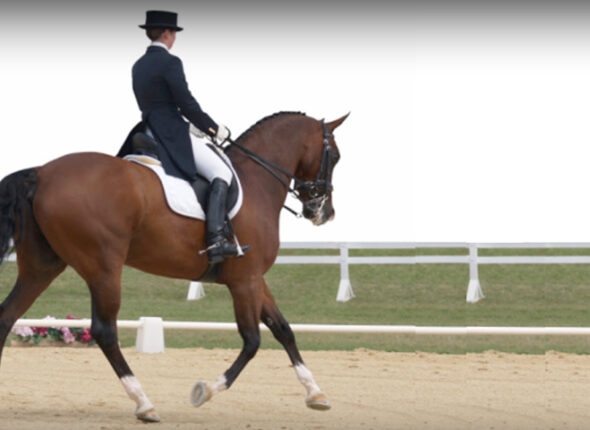
The right tack and a balanced rider position can make a significant difference in developing forward energy. A well-fitted saddle allows the horse to move freely and helps the rider maintain a secure, effective seat. Riders should sit tall, with relaxed hips and a soft, following hand, allowing the horse to move forward without restriction.
Maintaining a light but steady contact, keeping the leg gently on, and using the seat to encourage engagement are all essential. Riders should avoid gripping or driving with the seat, as this can create tension and block the horse’s movement.
Progression and Measuring Success
Progress in this area is often gradual. Signs that a horse is developing more impulsion include:
- More expressive, elastic movement in all gaits
- Improved transitions with less resistance
- Increased willingness to move forward from light aids
- Better balance and self-carriage
- Consistent, steady contact and connection
Keeping a training journal and, if possible, video recordings can help track improvements over time. Riders can also revisit resources like dressage training green horse for additional tips on monitoring and encouraging progress.
Further Learning and Resources
Dressage is a discipline built on clear principles and progressive training. For those seeking a deeper understanding of the priorities and methodology behind these concepts, the principles and priorities of dressage training provide a comprehensive overview from a respected perspective in the field.
Remember, every horse is unique. Patience, consistency, and a willingness to adapt are key to success. By focusing on correct basics and listening to your horse, you’ll lay the foundation for expressive, forward movement and a rewarding partnership.
Frequently Asked Questions
What Is the Difference Between Impulsion and Speed in Dressage?
Impulsion refers to the controlled, energetic thrust from the hindquarters, resulting in expressive movement and engagement. Speed is simply how fast the horse is moving. True impulsion is about quality of movement, not just going faster.
How Can I Tell If My Horse Is Truly Engaged?
Signs of engagement include the horse stepping under with its hind legs, a lifted back, a soft and steady contact, and a willingness to move forward from light aids. The horse should feel balanced and responsive, not heavy on the forehand or resistant.
Are There Specific Exercises for Young or Green Horses?
Yes. For younger or less experienced horses, focus on basic transitions, large circles, and gentle pole work. Gradually introduce more complex lateral movements as the horse gains strength and understanding. For more details, see how to start dressage training a horse.