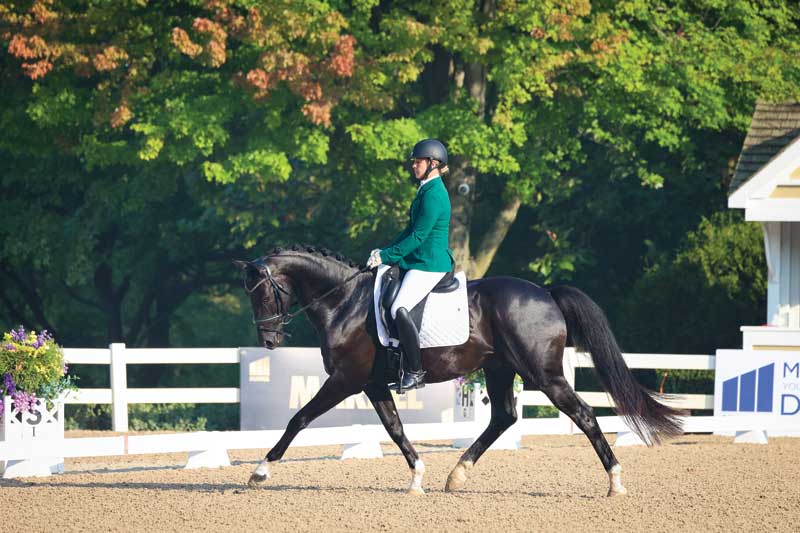
Achieving the correct rider position in dressage is fundamental for effective communication with your horse and for reaching higher levels of performance. A balanced and aligned seat not only supports the horse’s movement but also ensures the rider’s aids are clear and subtle. Whether you are new to dressage or looking to refine your technique, understanding the principles of proper posture and alignment will make a significant difference in your riding experience.
This guide covers the essentials of rider alignment, common mistakes to avoid, and practical exercises to develop a stable, effective seat. Early attention to your position lays the groundwork for advanced skills such as horse balance in dressage and developing impulsion. Let’s explore how to build a solid foundation for both horse and rider.
Why Proper Alignment Matters in Dressage
In dressage, the rider’s alignment directly impacts the horse’s ability to move freely and perform precise movements. A well-positioned rider distributes weight evenly, allowing the horse to maintain balance and rhythm. This is especially important for advanced movements, where subtle shifts in the rider’s seat and posture can influence the horse’s engagement and suppleness.
Consistent practice of correct posture helps prevent fatigue and discomfort for both horse and rider. It also reduces the risk of developing bad habits that can hinder progress. By focusing on alignment from the start, you create a partnership built on trust and clear communication.
Key Elements of the Ideal Dressage Seat
The foundation of a strong dressage seat lies in a few core principles. Let’s break down the main elements that contribute to effective rider position:
- Vertical Alignment: The ear, shoulder, hip, and heel should form a straight line when viewed from the side. This alignment allows for balance and stability, enabling the rider to follow the horse’s movement without tension.
- Relaxed Shoulders: Shoulders should remain open and relaxed, not hunched or stiff. This encourages a soft, following contact with the reins and prevents tension from traveling down the arms.
- Neutral Spine: Maintain a natural curve in the lower back. Avoid arching or rounding excessively, as this can disrupt balance and limit the effectiveness of your aids.
- Even Seat Bones: Sit evenly on both seat bones, distributing your weight equally. This helps the horse move straight and prevents leaning or collapsing to one side.
- Soft Knees and Ankles: Keep your knees gently against the saddle and your ankles flexible. This allows your legs to absorb motion and apply aids without gripping or bracing.
- Quiet Hands: Hold the reins with thumbs on top, maintaining a straight line from elbow to bit. Hands should be steady but elastic, following the horse’s mouth without pulling or restricting.
Common Mistakes Riders Make
Even experienced riders can develop habits that interfere with optimal position. Here are some frequent errors to watch for:
- Chair Seat: Sitting with the legs too far forward and the upper body behind the vertical. This position makes it difficult to follow the horse’s motion and can cause instability.
- Perching: Sitting too far forward on the pubic bone, often with the seat out of the saddle. This reduces contact and control.
- Collapsing at the Waist: Leaning to one side or dropping a shoulder, which can unbalance the horse and hinder straightness.
- Gripping with the Knees: Tightening the knees or thighs, which blocks the seat and restricts the horse’s movement.
- Stiff Elbows: Locking the elbows or holding the hands too high, resulting in a rigid contact with the horse’s mouth.
Exercises to Improve Your Seat and Posture
Developing a balanced seat takes time and consistent effort. Incorporate these exercises into your routine to enhance your position:
- Lunge Lessons: Riding on the lunge line with no reins or stirrups allows you to focus on your seat and balance without worrying about steering. This is especially helpful for feeling the horse’s movement and correcting asymmetries.
- Core Strengthening: Off-horse exercises such as planks, bridges, and gentle yoga can improve your core stability, which is essential for maintaining alignment in the saddle. For more ideas, check out resources on building strength for dressage horses—many principles apply to riders as well.
- Mirror Work: If possible, ride in an arena with mirrors or have someone video your sessions. Visual feedback helps you spot and correct posture issues in real time.
- Stretching: Regular stretching of the hips, hamstrings, and lower back increases flexibility, making it easier to sit deep and relaxed.
- Breathing Exercises: Deep, even breaths help release tension and promote a supple, following seat.

Developing a Secure Leg Position
The position of your legs plays a crucial role in maintaining stability and delivering precise aids. Your thighs should lie flat against the saddle, with knees gently touching and lower legs resting quietly along the horse’s sides. Avoid pinching with the knees or letting your heels creep up, as this can lead to tension and loss of balance.
A secure leg position also supports the development of developing impulsion in dressage, as it allows you to apply subtle, effective cues without disturbing your seat. Practice transitions and lateral movements to refine your leg aids and improve overall harmony with your horse.
Hand and Arm Position for Effective Communication
Your hands are the final link in the chain of communication with your horse. They should be carried just above and in front of the pommel, maintaining a straight line from elbow to bit. Elbows should hang naturally by your sides, allowing for soft, elastic contact.
Avoid the temptation to use your hands to balance or to pull against the horse. Instead, focus on using your seat and core to maintain position, letting your hands follow the horse’s mouth with gentle, steady contact. This approach encourages relaxation and trust, making it easier to achieve advanced movements and transitions.

Integrating Position with Training and Progression
As you advance in your dressage journey, maintaining a correct seat becomes even more important. Each new movement or level introduces fresh challenges that test your balance and coordination. Regularly revisit the basics of alignment, especially when learning new skills or working with a different horse.
Integrating position work with your overall training plan ensures steady progress. For structured routines, consider following a dressage training schedule for horses that incorporates both horse and rider development. Consistency is key to building muscle memory and confidence.
Additional Resources for Dressage Riders
Expanding your knowledge through reputable sources can further enhance your riding. For a comprehensive overview of the sport and how to get started, visit this introduction to dressage and beginner tips. You’ll find valuable insights on foundational skills, competition preparation, and more.
Riders interested in refining their horse’s movement can also explore advice on improving horse suppleness dressage to complement their own position work.
Frequently Asked Questions
What is the most important aspect of a dressage rider’s position?
The most critical element is maintaining a straight line from ear, shoulder, hip, to heel. This alignment provides balance and allows the rider to move in harmony with the horse, ensuring clear and effective communication.
How can I tell if my seat is balanced?
A balanced seat feels stable and relaxed, with equal weight on both seat bones and no gripping or tension in the legs. Feedback from instructors, mirrors, or video recordings can help you identify and correct imbalances.
Why does my instructor emphasize soft hands?
Soft hands allow for elastic, steady contact with the horse’s mouth, promoting relaxation and responsiveness. Stiff or heavy hands can cause resistance and tension, making it harder for the horse to perform dressage movements correctly.
How often should I practice position exercises?
Incorporate position-focused exercises into every ride, even if only for a few minutes. Regular practice helps build muscle memory and ensures that correct posture becomes second nature over time.