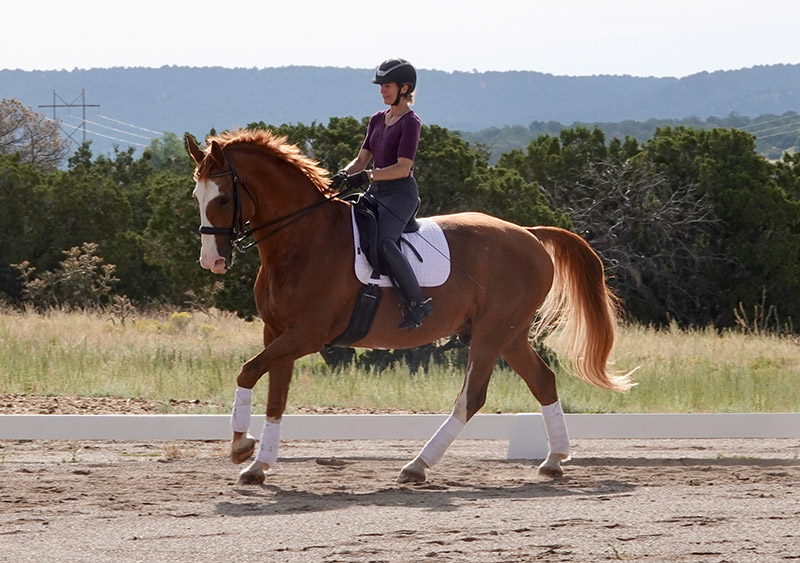
After a focused dressage session, it’s essential to guide your horse through a proper cool-down routine. These exercises help transition your horse from intense work to a relaxed state, supporting muscle recovery and reducing the risk of stiffness or injury. Riders who consistently prioritize the post-training phase often notice improved suppleness and overall well-being in their horses.
In this guide, you’ll find practical steps and variations for winding down after schooling, including why these routines matter and how to tailor them to your horse’s needs. Whether you’re new to the discipline or refining your routine, understanding the importance of post-workout care is as vital as mastering movements like the shoulder-in dressage exercise or dressage lateral movements explained.
Why a Proper Cool-Down Matters in Dressage
The cool-down phase is not just a formality—it’s a crucial component of equine care. After performing collected movements, lateral work, or transitions, your horse’s muscles are warm and engaged. Gradually reducing intensity allows the cardiovascular system to return to normal, flushes out metabolic waste, and prevents muscle soreness.
Skipping or rushing this phase can lead to tightness, lactic acid build-up, and even increase the risk of injury. For horses in regular training, a structured wind-down is as important as the session itself.
Key Elements of Effective Post-Training Routines
A thorough routine should be tailored to the individual horse and the intensity of the session. Here are the main components:
- Gradual Decrease in Intensity: Move from collected or medium gaits to relaxed, long-rein walk and trot.
- Stretching Movements: Incorporate exercises that encourage the horse to stretch its topline and neck.
- Monitoring Breathing and Pulse: Ensure your horse’s respiration and heart rate return to baseline before dismounting.
- Hydration and Cooling: Provide water and, if needed, use cool water on legs or body, especially in warm weather.
Step-by-Step Guide to Cool-Down Exercises
The following sequence offers a practical approach for riders looking to implement or refine their post-dressage routine.
1. Transition to a Relaxed Walk
After your last schooling movement, let your horse walk on a long rein for at least 5–10 minutes. This gentle pace helps lower the heart rate and encourages relaxation. Allow the horse to stretch its neck forward and down, which releases tension in the topline.
2. Incorporate Stretching Trot
If your horse is fit and the session was intense, add a few minutes of stretchy trot. Maintain a light contact and encourage the horse to reach for the bit, lengthening its frame. This not only aids muscle recovery but also reinforces positive postural habits.

3. Lateral Stretching Movements
Use gentle lateral work at the walk, such as leg yield or shallow loops, to further stretch the horse’s sides and encourage flexibility. This is especially helpful if your training included collected or lateral movements. For more on these techniques, see our guide to leg yield dressage training.
4. Monitoring and Adjusting
Pay attention to your horse’s breathing, sweat, and demeanor. If the horse is still breathing heavily or feels tense, continue walking until fully relaxed. Some horses benefit from a few minutes of quiet standing under saddle before dismounting.
Advanced Cool-Down Variations for Dressage Horses
For experienced riders or horses in advanced work, consider adding these elements to your routine:
- Serpentines and Large Circles: Riding large, sweeping figures at the walk or trot encourages even stretching through the body.
- Haunches-In or Shoulder-In at Walk: Lightly executed, these movements can gently mobilize the hindquarters and shoulders without adding strain. To deepen your understanding, explore our article on haunches-in dressage training.
- Transitions Within the Gait: Subtle transitions between free walk and medium walk help maintain focus while relaxing the muscles.
Post-Ride Care and Recovery Tips
Once you’ve dismounted, continue supporting your horse’s recovery:
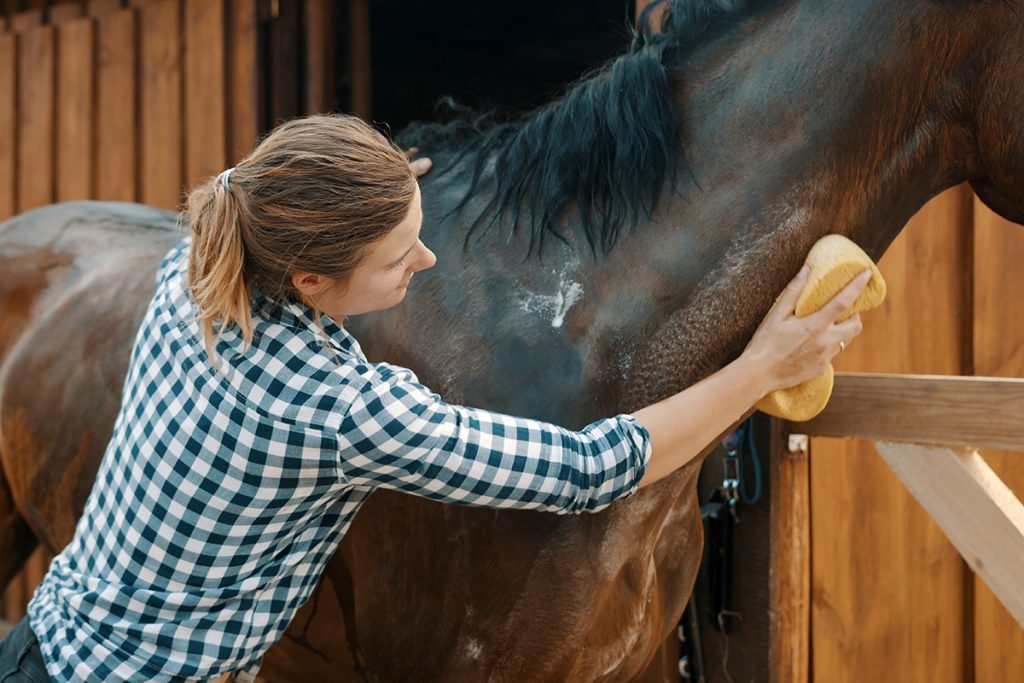
- Hand Walking: A few minutes of hand walking can further aid circulation and relaxation.
- Hoof and Leg Care: Check for heat, swelling, or cuts. Applying a quality balm can help maintain healthy hooves after work.
- Blanketing: In cooler weather, consider a light cooler or sweat sheet to prevent chills.
- Hydration: Ensure fresh water is available and monitor your horse’s drinking habits post-exercise.
For those just starting out in the discipline, resources like this introduction to dressage and how to get started can provide helpful context for building a complete training and recovery program.
Common Mistakes to Avoid During the Cool-Down
- Stopping Abruptly: Ending work without a gradual decrease in intensity can shock the horse’s system.
- Neglecting Stretching: Skipping stretching movements may lead to muscle tightness and reduced flexibility.
- Ignoring Signs of Fatigue: Always monitor your horse’s recovery and adjust the routine as needed.
- Overcooling in Cold Weather: Be mindful of temperature and avoid chilling your horse after exercise.
Integrating Cool-Downs Into Your Training Program
Consistency is key. Make post-workout routines a non-negotiable part of every schooling session, whether you’re practicing how to ride correct dressage transitions or focusing on advanced lateral work. Over time, you’ll notice your horse recovers faster, stays more supple, and remains eager for the next ride.
Frequently Asked Questions
How long should a cool-down last after a dressage session?
Most horses benefit from at least 10–15 minutes of gradual winding down, starting with a relaxed walk and, if appropriate, a stretchy trot. Adjust the duration based on the intensity of the workout and your horse’s fitness level.
Can I hand-walk my horse instead of riding during the cool-down?
Yes, hand-walking is a good option, especially if your horse is tired or if you’re short on time. However, beginning the cool-down under saddle allows for more controlled stretching and relaxation before finishing on the ground.
What are signs that my horse hasn’t cooled down properly?
Signs include continued heavy breathing, excessive sweating, muscle stiffness, or reluctance to move freely after untacking. If you notice these, extend the cool-down period and consult your vet if issues persist.