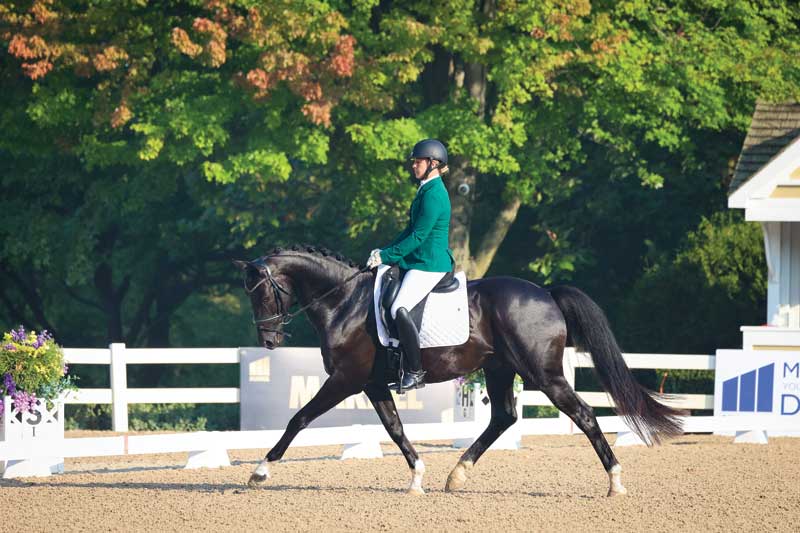
Developing a well-conditioned dressage horse is essential for achieving balance, suppleness, and peak performance in the arena. Proper conditioning not only enhances a horse’s athletic ability but also supports long-term soundness and well-being. This guide explores a variety of conditioning exercises for dressage horses, focusing on practical routines and training strategies that can be adapted for horses at different levels. Whether you are preparing for competition or aiming to improve your horse’s overall fitness, understanding the principles behind effective conditioning is key.
Incorporating targeted exercises into your regular training schedule will help your horse build strength, increase flexibility, and develop the mental focus needed for advanced movements. Before diving into specific routines, it’s important to recognize how foundational exercises such as the shoulder-in dressage exercise and other lateral movements contribute to a horse’s overall conditioning and readiness for more complex work.
Why Conditioning Matters in Dressage Training
Dressage places unique physical and mental demands on horses. The discipline requires a blend of strength, flexibility, and endurance, as well as the ability to perform precise movements with subtle cues. Without a structured approach to fitness, horses may struggle to maintain correct posture, rhythm, and impulsion throughout their work. Consistent conditioning routines help prevent fatigue-related mistakes and reduce the risk of injury.
Conditioning is not just about building muscle; it also involves improving cardiovascular health, joint mobility, and mental focus. By gradually increasing the intensity and variety of exercises, riders can help their horses adapt to the rigors of dressage while maintaining enthusiasm for training.
Fundamental Conditioning Exercises for Dressage Horses
A well-rounded conditioning program should address all aspects of a horse’s fitness. The following exercises are foundational for dressage horses at any stage of training:
- Long and Low Work: Encourages the horse to stretch its topline, engage the hindquarters, and relax the back muscles. This exercise is ideal for warming up and cooling down.
- Transitions: Practicing frequent transitions between gaits and within gaits (such as collected to extended trot) builds strength, responsiveness, and balance. For more on this, see how to ride correct dressage transitions.
- Lateral Movements: Exercises like leg yield, shoulder-in, and haunches-in improve suppleness and coordination. These movements activate different muscle groups and enhance the horse’s ability to move off the rider’s aids.
- Cavaletti and Pole Work: Incorporating ground poles helps develop rhythm, stride length, and core stability. Adjusting pole spacing and patterns can target specific areas of fitness.
- Hill Work: Riding up and down gentle slopes strengthens the hindquarters and improves cardiovascular endurance.
Building Strength and Suppleness Through Lateral Work
Lateral exercises are a cornerstone of dressage conditioning. Movements such as leg yield, shoulder-in, and haunches-in not only improve flexibility but also teach the horse to engage its core and carry more weight on the hindquarters. These skills are essential for achieving collection and self-carriage.
For a deeper understanding of these movements, explore dressage lateral movements explained and leg yield dressage training for step-by-step guidance and troubleshooting tips.
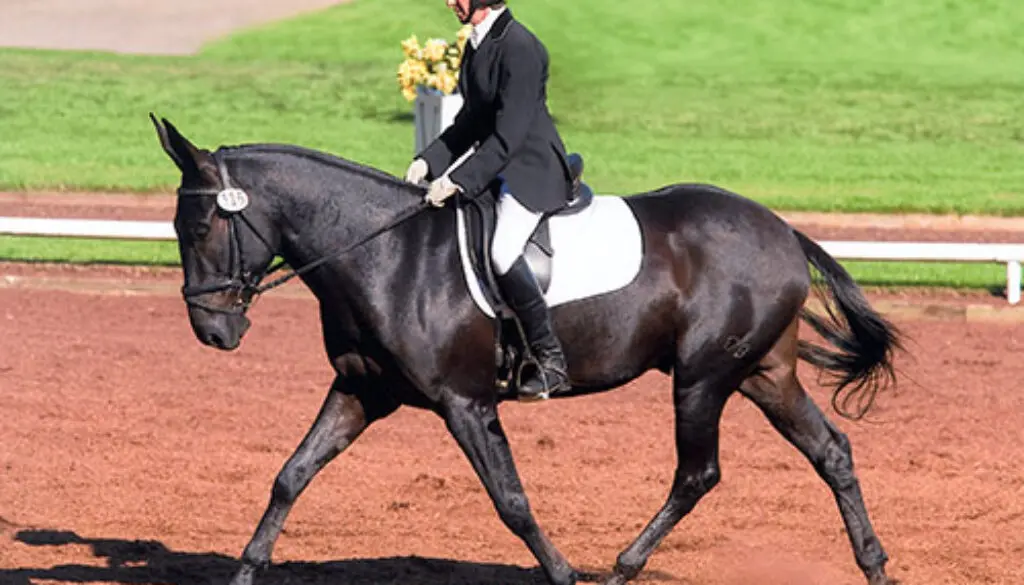
Incorporating Conditioning Routines Into Weekly Training
Consistency is crucial for developing a fit and happy dressage horse. A balanced weekly schedule should include a mix of schooling sessions, rest days, and cross-training. Here’s an example of how to structure a typical week:
- Day 1: Flatwork with focus on transitions and long and low stretching
- Day 2: Lateral work (shoulder-in, leg yield, haunches-in)
- Day 3: Rest or light hack
- Day 4: Cavaletti or pole work
- Day 5: Hill work or trail ride
- Day 6: Schooling session with collected work and transitions
- Day 7: Rest or gentle stretching
Adjust the intensity and duration of each session based on your horse’s age, fitness level, and training goals. Always allow for adequate warm-up and cool-down periods to support muscle recovery and prevent stiffness.
Advanced Conditioning Strategies for Dressage Athletes
As horses progress in their training, advanced conditioning becomes increasingly important. This includes introducing more demanding exercises, such as collected and extended gaits, pirouettes, and flying changes. These movements require greater strength, balance, and coordination.
To maximize your horse’s potential, consider incorporating interval training, gymnastic exercises, and targeted strength work. For example, alternating periods of collected and extended trot can build both power and elasticity. Regularly reviewing your training approach and seeking feedback from experienced trainers can help refine your program.
For additional insights on optimizing balance, suppleness, and collection, refer to this comprehensive guide to maximizing dressage marks.
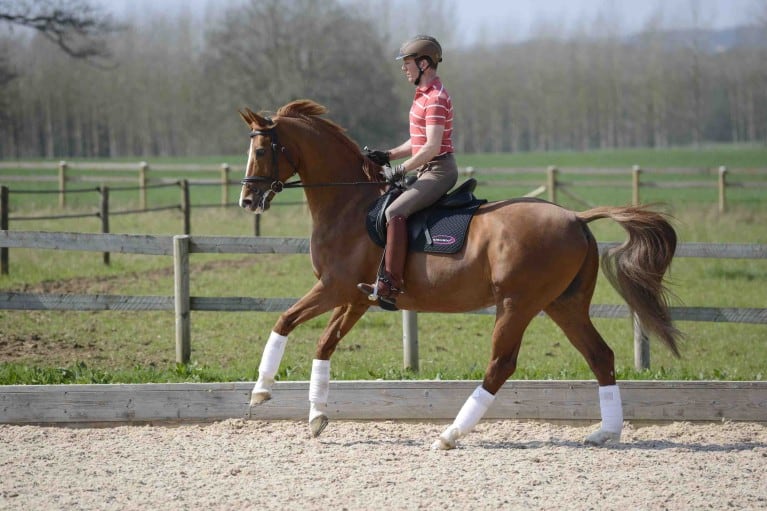
Monitoring Progress and Avoiding Common Pitfalls
Tracking your horse’s progress is essential for effective conditioning. Keep a training journal to record each session, noting improvements and any signs of fatigue or discomfort. Regularly assess your horse’s body condition, muscle tone, and willingness to work.
Common mistakes include increasing workload too quickly, neglecting rest days, or focusing too narrowly on one type of exercise. Remember that variety and gradual progression are key to building a resilient, well-rounded athlete. If you notice persistent stiffness, loss of enthusiasm, or behavioral changes, consult with your veterinarian or an experienced trainer.
FAQs About Dressage Horse Conditioning
How often should I include conditioning exercises in my horse’s routine?
Most dressage horses benefit from 4–5 conditioning sessions per week, interspersed with rest or lighter work. The exact frequency depends on your horse’s age, fitness, and training goals. Always monitor for signs of fatigue and adjust accordingly.
What are the best exercises to improve suppleness in dressage horses?
Lateral movements such as leg yield, shoulder-in, and haunches-in are excellent for enhancing suppleness. Incorporating pole work and transitions within gaits also helps improve flexibility and responsiveness.
How can I tell if my horse is becoming overworked?
Signs of overwork include reluctance to move forward, stiffness, irritability, and changes in appetite or behavior. If you notice these symptoms, reduce the intensity of training and allow for additional rest. Consulting with a professional can help identify and address underlying issues.
Conclusion
A thoughtful approach to conditioning exercises for dressage horses lays the foundation for success in the arena and long-term equine health. By combining fundamental routines, lateral work, and advanced strategies, riders can help their horses achieve optimal fitness, balance, and performance. Remember to tailor your program to your horse’s individual needs and seek guidance from experienced professionals when needed. With patience and consistency, your dressage partner will be well-prepared for the challenges and rewards of this demanding discipline.