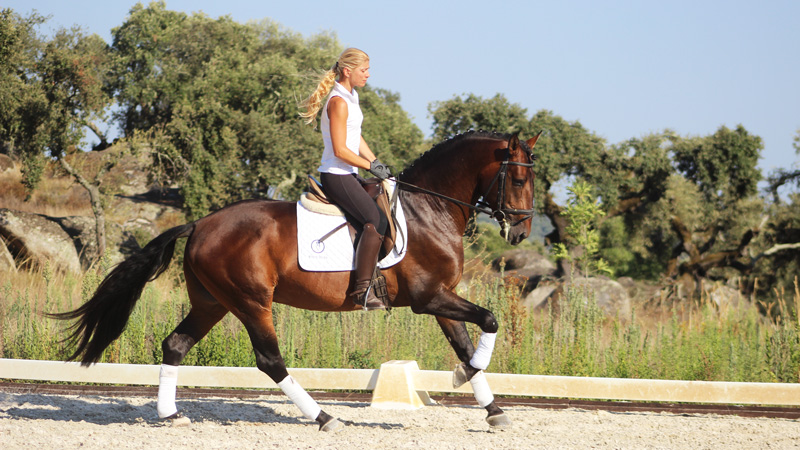
Achieving success in dressage requires more than just skillful riding; it demands a systematic approach to preparing your horse both physically and mentally. Conditioning a horse for dressage is a process that focuses on developing strength, flexibility, balance, and endurance, allowing the horse to perform precise movements with ease and confidence. Whether you are working with a young prospect or refining the fitness of an experienced partner, understanding the key elements of a conditioning plan is essential for progress and long-term soundness.
In this article, we’ll explore the fundamentals of preparing your horse for the rigors of dressage, including practical routines, essential exercises, and tips for monitoring your horse’s development. For those interested in a deeper dive into related topics, you may also find value in reading about building strength for dressage horses, which covers complementary strategies for muscle development.
Why Dressage Conditioning Matters
Dressage tests the horse’s ability to perform a series of controlled, harmonious movements. To achieve this, the horse must be in peak physical condition. Dressage conditioning enhances muscle tone, improves cardiovascular fitness, and supports joint health. Without a structured approach, horses may struggle with stamina, risk injury, or develop resistance to training.
A well-conditioned horse is more likely to remain sound and willing, making training sessions more productive and enjoyable for both horse and rider. Investing time in a thoughtful fitness program pays dividends in performance, longevity, and overall wellbeing.
Key Components of a Dressage Conditioning Program
A comprehensive plan for conditioning your horse for dressage should address several core areas:
- Strength: Building muscle to support collection, impulsion, and self-carriage.
- Endurance: Increasing stamina for longer training sessions and competitions.
- Flexibility: Enhancing suppleness for lateral movements and bending.
- Balance: Developing even weight distribution and straightness.
- Mental Focus: Encouraging relaxation and attention during work.
For more on developing flexibility, see our guide on improving horse suppleness in dressage.
Establishing a Baseline: Assessing Your Horse’s Current Fitness
Before starting any new conditioning routine, evaluate your horse’s current fitness level. Observe their recovery after exercise, muscle development, and willingness to perform basic movements. Consulting with your veterinarian or an experienced trainer can help identify any underlying issues or limitations.
Keep a training journal to track progress, noting how your horse responds to increased workloads and new exercises. This record will help you adjust your plan as needed and celebrate milestones along the way.

Building Strength and Endurance for Dressage
Gradually increasing the intensity and duration of your horse’s workouts is key to developing both strength and stamina. Begin with a mix of walking and trotting, focusing on rhythm and relaxation. As your horse adapts, introduce canter work and transitions between gaits to engage different muscle groups.
Hill work, ground poles, and cavaletti exercises are excellent for building hindquarter power and overall fitness. These activities encourage your horse to use their body correctly, promoting balance and impulsion. For additional ideas, refer to our resource on developing impulsion in dressage.
Sample Weekly Conditioning Schedule
Consistency is vital. Here’s a sample week for a horse in moderate work:
- Day 1: Flatwork focusing on transitions and circles (30–40 minutes)
- Day 2: Hacking or trail ride at walk and trot (45–60 minutes)
- Day 3: Hill work or ground poles (30 minutes)
- Day 4: Rest or light hand-walking
- Day 5: Dressage schooling session (40 minutes)
- Day 6: Lungeing with side reins or pessoa (20–30 minutes)
- Day 7: Rest or turnout
Adjust the plan based on your horse’s age, experience, and recovery rate. Always allow time for warm-up and cool-down to prevent injury.
Improving Flexibility and Balance
Suppleness and balance are at the heart of dressage. Incorporate lateral movements such as leg yields, shoulder-in, and haunches-in to enhance flexibility. Frequent changes of direction and transitions within and between gaits help your horse shift their weight and develop better coordination.
For further insight into this aspect of training, explore our article on horse balance in dressage.

Monitoring Progress and Avoiding Setbacks
Regularly assess your horse’s response to the conditioning program. Look for signs of fatigue, soreness, or behavioral changes that may indicate overtraining. Adjust the workload as needed, and always prioritize your horse’s comfort and health.
Scheduling periodic check-ins with your veterinarian or equine physiotherapist can help catch minor issues before they become major setbacks. Remember, progress in dressage is a marathon, not a sprint.
Incorporating Variety and Mental Stimulation
Keeping your horse engaged is as important as building physical fitness. Mix up your routines with trail rides, groundwork, and low-stress activities. This not only prevents boredom but also helps your horse develop confidence in new environments.
For more ideas on structuring your training, see our article on creating a dressage training schedule for horses.
Additional Resources for Dressage Preparation
There are many resources available to help riders and trainers refine their approach. For step-by-step instructions on basic movements, consider this guide to performing basic dressage successfully. Combining expert advice with attentive observation of your own horse will yield the best results.
Frequently Asked Questions
How long does it take to condition a horse for dressage?
The time required depends on your horse’s starting fitness, age, and previous experience. Generally, expect to spend at least 8–12 weeks gradually increasing workload before your horse is ready for more advanced dressage work. Consistency and patience are key.
What are signs that my horse is getting fitter?
Improved recovery after exercise, increased muscle tone, better stamina during rides, and a more relaxed attitude under saddle all indicate positive progress. Keep an eye out for these changes as you advance your conditioning plan.
Can I condition my horse for dressage without access to an arena?
Yes, many foundational exercises can be done outside the arena. Hacking, hill work, and groundwork all contribute to fitness and can be adapted to various environments. Just ensure footing is safe and adjust exercises as needed.