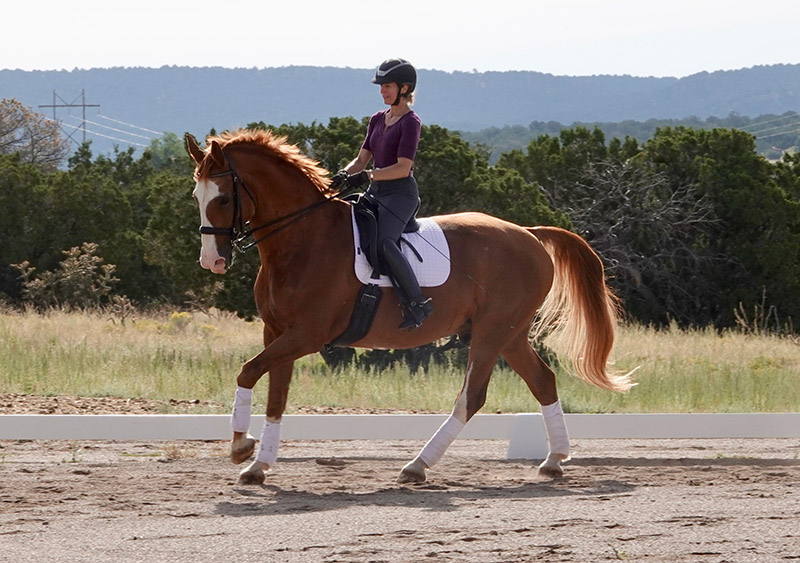
Dressage is often described as the art of harmonious partnership between horse and rider. While the discipline emphasizes precision, balance, and subtle communication, even experienced equestrians can fall into habits that hinder progress. Recognizing and addressing common rider mistakes in dressage is essential for anyone seeking to improve their performance and their horse’s comfort.
Whether you are new to the arena or refining advanced movements, understanding where things often go wrong can help you avoid setbacks. This guide highlights the most frequent pitfalls, offers practical corrections, and connects you with further resources for building a solid foundation in dressage.
For those looking to deepen their understanding of equine biomechanics, exploring topics like horse balance in dressage can provide valuable context for the corrections discussed here.
Recognizing Frequent Errors in Dressage Riding
Even the most dedicated riders can develop habits that undermine their effectiveness in the saddle. By identifying these patterns early, you can make targeted improvements that benefit both you and your horse. Below are some of the most prevalent challenges faced by dressage enthusiasts.
Incorrect Posture and Position
One of the most widespread issues is improper rider alignment. Slouching, leaning forward, or collapsing through the core can disrupt the horse’s balance and make clear communication difficult. Maintaining a neutral spine, relaxed shoulders, and even weight distribution is crucial for effective aids and for the horse’s comfort.
- Keep your shoulders back and down, avoiding tension in the neck.
- Allow your seat bones to rest evenly in the saddle.
- Check that your heels remain under your hips, not pushed forward or back.
Heavy or Inconsistent Hands
Another frequent mistake involves the use of the reins. Gripping too tightly, pulling back, or having uneven contact can confuse the horse and create resistance. Instead, strive for soft, elastic contact that allows for subtle communication.
- Keep your elbows softly bent and close to your sides.
- Maintain a steady, light connection rather than abrupt movements.
- Allow the horse to seek the bit, rather than forcing a head position.
Overuse of Aids
Riders sometimes rely too heavily on their legs, seat, or hands, resulting in a horse that becomes dull or resistant. The goal is to use the lightest possible aid and reward the horse for responding promptly. If you find yourself constantly nagging with your legs or hands, it’s time to reassess your approach.
- Give clear, brief cues, then release pressure as soon as the horse responds.
- Alternate between active aids and moments of stillness to encourage attentiveness.
- Use your seat and core as primary tools for communication, rather than relying solely on reins or legs.

Impact of Rider Mistakes on Horse Performance
Small errors in the saddle can have a significant influence on your horse’s ability to perform. Unintentional signals, inconsistent aids, or lack of clarity can lead to confusion, tension, or even physical discomfort for the animal. Addressing these issues not only improves your scores in competition but also enhances your horse’s well-being and willingness to work.
For example, persistent imbalance or crookedness in the rider can make it difficult for the horse to develop straightness and impulsion. If you’re interested in learning more about how to foster energy and engagement, consider reading about developing impulsion in dressage.
Ignoring Straightness and Balance
Many riders focus on movements or patterns without first establishing straightness and balance. This oversight can cause the horse to drift, lean, or lose rhythm. Regularly checking your alignment and the horse’s straightness on both reins is essential for progress.
- Use mirrors, video, or a knowledgeable ground person to assess your position.
- Practice transitions and circles to test and improve straightness.
- Remember that balance is dynamic—adjust as needed throughout the ride.
Neglecting Suppleness and Flexibility
Stiffness in either the rider or the horse can limit the ability to perform fluid, expressive movements. Riders who grip with their thighs or hold tension in their bodies inadvertently restrict the horse’s motion. Incorporating exercises that encourage relaxation and flexibility is key.
- Include lateral work, such as leg yields and shoulder-in, to promote suppleness.
- Focus on breathing deeply and relaxing your joints.
- Allow the horse to stretch and move forward freely during warm-up and cool-down.
For more strategies on enhancing flexibility, you might find improving horse suppleness dressage a helpful resource.

Practical Tips to Avoid Typical Dressage Rider Errors
Awareness is the first step, but consistent practice and feedback are what drive improvement. Here are some actionable strategies to help you sidestep the most common pitfalls:
- Take Regular Lessons: A knowledgeable instructor can spot subtle issues and provide tailored exercises to address them.
- Use Video Analysis: Watching yourself ride can reveal habits you may not feel in the moment.
- Set Clear Goals: Focus on one or two aspects per session, rather than trying to fix everything at once.
- Incorporate Groundwork: Exercises off the horse can improve your body awareness and coordination.
- Stay Patient: Progress in dressage is gradual. Celebrate small improvements and remain consistent in your efforts.
If you’re building a training routine, check out this guide on creating a dressage training schedule for horses for structured ideas.
Resources for Further Learning
Expanding your knowledge is key to mastering the discipline. For a comprehensive introduction to the sport, this beginner’s guide to dressage provides clear explanations and tips for riders at all levels.
Additionally, focusing on building strength for dressage horses can help you and your horse achieve better results and avoid many of the issues discussed above.
Frequently Asked Questions
What is the most frequent rider error in dressage?
The most common issue is poor posture, including slouching or uneven weight distribution. This can affect the horse’s balance and responsiveness. Regular self-checks and feedback from instructors can help correct this habit.
How can I improve my rein contact in dressage?
Focus on keeping a soft, steady connection with the horse’s mouth. Avoid gripping or pulling, and use your elbows as shock absorbers. Practicing transitions and circles can help develop feel and consistency.
Why does my horse resist during movements?
Resistance often stems from unclear or conflicting aids, tension in the rider, or lack of straightness. Reviewing your position, ensuring clear communication, and working on suppleness exercises can help address these challenges.