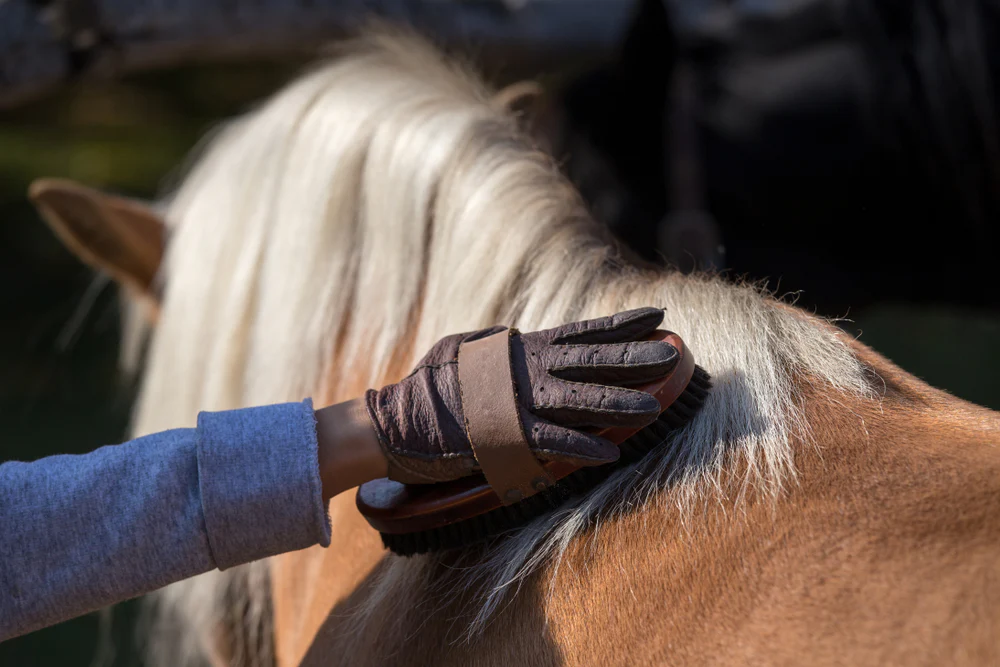
Proper grooming is essential for maintaining a horse’s health, comfort, and appearance. However, even experienced owners can fall into habits that lead to common horse grooming errors. These mistakes can cause discomfort, skin issues, or even injuries for your horse if left unaddressed. Understanding what to avoid—and how to correct these missteps—will help ensure your grooming routine supports your horse’s well-being.
Whether you’re new to horse care or looking to refine your technique, this article covers frequent grooming pitfalls and practical solutions. For a more structured approach to daily and weekly routines, consider referencing this horse grooming checklist to keep your horse healthy and comfortable year-round.
Overlooking Key Areas During Grooming
One of the most frequent horse grooming mistakes is neglecting certain parts of the horse’s body. Areas like the belly, behind the ears, under the jaw, and between the hind legs are often missed, yet they can accumulate dirt, sweat, and debris. Failing to clean these spots can result in skin irritation or even infections.
- Fix: Make a habit of systematically checking and cleaning all parts of your horse, not just the obvious ones. Use a soft brush or damp cloth for sensitive areas.
- Pay special attention to places where tack sits, as trapped dirt can cause sores.
Using Dirty or Inappropriate Tools
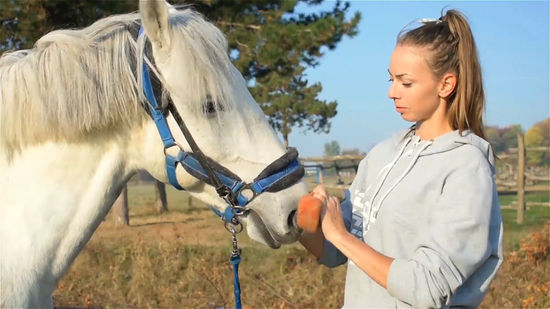
Grooming with unclean brushes or using the wrong tools for the job is another widespread issue. Dirty equipment can spread bacteria and fungi, while harsh brushes on sensitive areas may cause discomfort or skin damage.
- Fix: Clean grooming tools regularly with soap and water, and allow them to dry completely before use.
- Choose the right brush for each part of the body: curry combs for loosening dirt on the body, soft brushes for sensitive spots, and mane combs for detangling.
Neglecting Hoof Care
Hoof maintenance is a critical part of grooming, yet it’s often rushed or skipped. Dirt, stones, and manure can become packed in the hooves, leading to thrush, bruising, or lameness if not removed regularly.
- Fix: Pick out your horse’s hooves before and after every ride and daily if possible.
- Check for signs of cracks, odor, or heat, which may indicate underlying issues.
- Consult a farrier for regular trims and advice on hoof health.
Improper Washing and Drying Techniques
Bathing your horse incorrectly can strip natural oils, cause skin dryness, or leave residue that irritates the skin. Using harsh shampoos or failing to rinse thoroughly are frequent errors.
- Fix: Use equine-specific shampoos and always rinse thoroughly to remove all soap.
- Allow the coat to dry completely before blanketing or turning out to prevent chills and fungal growth.
- For step-by-step bathing guidance, see how to bathe a horse for best practices.
Brushing Too Hard or Too Little
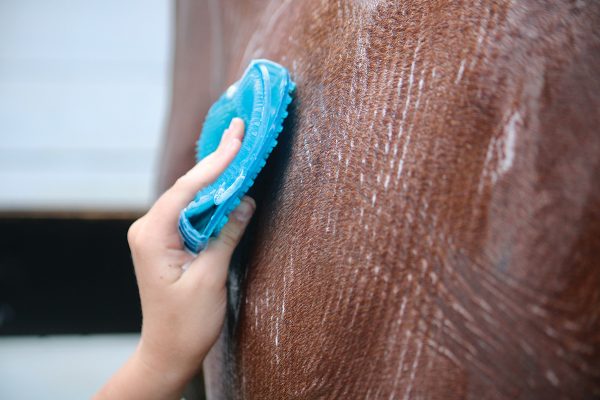
Applying excessive pressure with brushes can damage the skin and hair follicles, while insufficient brushing leaves dirt and loose hair behind. Both extremes can make your horse uncomfortable and affect coat condition.
- Fix: Use gentle, even strokes and adjust pressure based on the area and your horse’s sensitivity.
- Increase frequency during shedding season to help remove loose hair and promote circulation.
Ignoring Early Signs of Skin or Health Issues
Grooming is not just about appearance—it’s a chance to check for cuts, swelling, parasites, or skin conditions. Overlooking these signs can delay treatment and worsen problems.
- Fix: Use grooming sessions as an opportunity for a horse grooming health check. Look for lumps, rashes, hair loss, or unusual sensitivity.
- If you notice anything abnormal, consult your veterinarian promptly.
Not Adjusting Grooming for Season and Activity
Horses’ grooming needs change with the weather and their workload. Failing to adapt your routine can lead to overheating, skin problems, or inadequate protection from the elements.
- Fix: In winter, avoid over-bathing and ensure horses are dry before blanketing. In summer, increase grooming frequency to manage sweat and shedding.
- After exercise, cool down your horse and remove sweat to prevent skin irritation.
Overusing Coat Conditioners and Sprays
While products like detanglers and coat sprays can enhance shine, excessive use can leave residue and attract dust, making the coat dull and sticky over time.
- Fix: Use grooming products sparingly and only as needed. Always follow manufacturer instructions and rinse out buildup regularly.
Learning from Experienced Sources
To further improve your grooming skills and avoid frequent mistakes, it’s helpful to consult reputable resources. For a comprehensive overview of techniques and best practices, visit this complete guide to horse grooming for additional tips and expert advice.
Frequently Asked Questions
How often should I groom my horse to avoid common mistakes?
Daily grooming is ideal for most horses, especially those in regular work. Consistent routines help prevent dirt buildup, allow for early detection of health issues, and strengthen the bond between you and your horse.
What are the signs that I’m using the wrong grooming tools?
If your horse flinches, shows signs of discomfort, or develops skin irritation after grooming, you may be using brushes that are too harsh or not suited for certain areas. Always match the tool to the sensitivity of the body part and keep equipment clean.
Can improper grooming lead to health problems?
Yes, neglecting proper grooming can result in skin infections, parasite infestations, hoof issues, and even behavioral problems. Regular, thorough grooming is key to preventing these complications and maintaining overall health.
Where can I learn more about grooming for parasite control?
For targeted advice on managing parasites through grooming, see this article on horse grooming for parasite control.