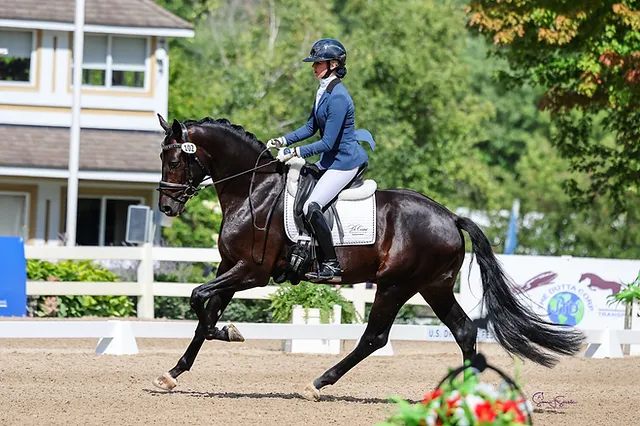
The art of classical dressage training methods has shaped equestrian traditions for centuries. Rooted in principles of harmony, balance, and communication, these techniques remain the foundation for riders seeking to develop both horse and rider to their fullest potential. Whether you are new to dressage or refining your skills, understanding the time-tested approaches of this discipline is essential for progress and partnership.
In this guide, we’ll explore the core philosophies, exercises, and practical steps that define traditional dressage schooling. Along the way, you’ll find helpful resources, including a detailed look at the shoulder-in dressage exercise, to support your journey.
Principles Behind Traditional Dressage Schooling
At the heart of classical dressage training methods lies a focus on developing the horse’s natural movement and willingness. The goal is not just to perform movements, but to cultivate a relaxed, attentive, and athletic partner. This is achieved through a systematic progression of exercises that build suppleness, straightness, and collection.
- Harmony: The rider and horse move as one, with subtle aids and clear communication.
- Balance: Exercises are designed to help the horse carry more weight on the hindquarters, improving agility and posture.
- Progression: Movements are introduced gradually, ensuring the horse understands and is physically ready for each new challenge.
- Lightness: The horse responds to minimal cues, showing self-carriage and willingness.
These principles are not only theoretical but are reflected in every aspect of daily training, from groundwork to advanced maneuvers.
Step-by-Step Approach to Classical Dressage
Implementing traditional dressage schooling involves a structured, patient approach. Riders begin with foundational work, emphasizing rhythm and relaxation before progressing to more complex movements.
- Establishing Rhythm and Relaxation: The initial focus is on steady, regular gaits and a calm, attentive horse. This foundation is critical for all further progress.
- Developing Suppleness: Through bending exercises and circles, the horse becomes more flexible and responsive. Lateral movements, such as those explained in dressage lateral movements explained, are introduced gradually.
- Improving Contact and Connection: The horse learns to accept the bit and seek a soft, elastic connection with the rider’s hands.
- Building Straightness: Exercises like the leg yield dressage training help align the horse’s body and improve control.
- Encouraging Collection: As the horse becomes stronger, collection is developed, allowing for more advanced movements and greater self-carriage.
Essential Exercises in Classical Dressage
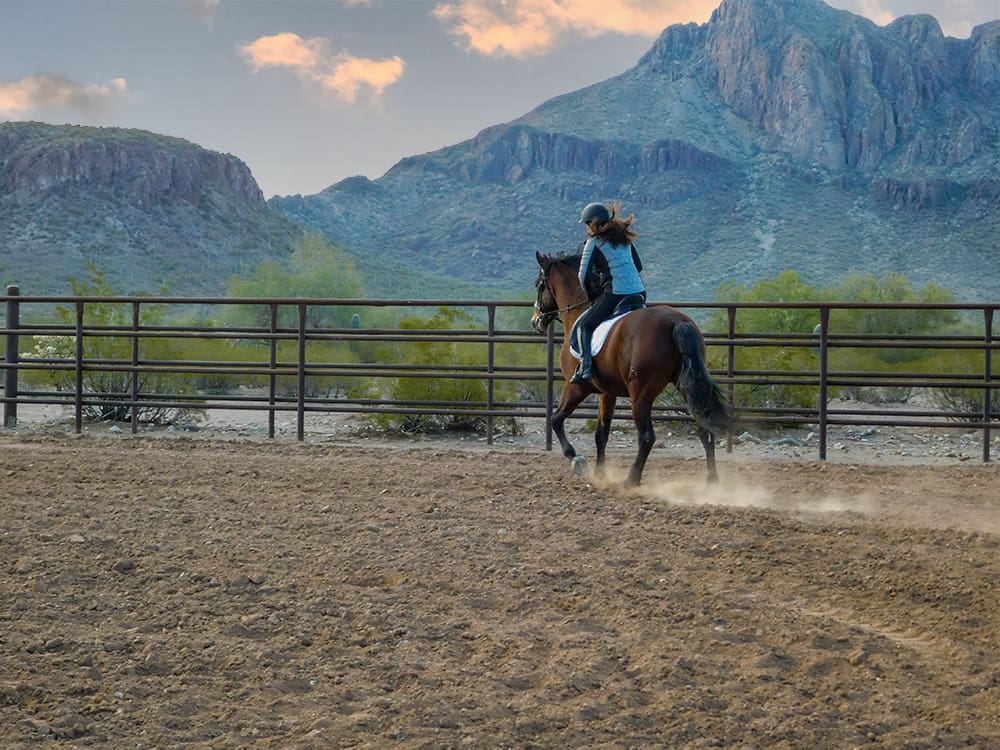
Certain exercises are fundamental to classical dressage techniques. These not only improve the horse’s athleticism but also enhance communication between horse and rider.
- Shoulder-In: This movement encourages suppleness and engagement of the hindquarters. For a detailed breakdown, see the shoulder-in dressage exercise guide.
- Leg Yield: Teaches the horse to move away from the rider’s leg, improving lateral flexibility and obedience.
- Transitions: Practicing smooth changes between gaits, as outlined in how to ride correct dressage transitions, builds responsiveness and balance.
- Haunches-In: Also known as travers, this exercise develops collection and engagement of the hind end. More details can be found in the haunches-in dressage training resource.
These movements are introduced progressively, always ensuring the horse remains relaxed and attentive.
Correct Rider Position and Aids
The effectiveness of classical dressage schooling depends greatly on the rider’s position and use of aids. A balanced, quiet seat allows for clear communication and minimizes interference with the horse’s natural movement.
- Seat: Sit deep in the saddle, with shoulders, hips, and heels aligned.
- Hands: Maintain a soft, steady contact, allowing for elastic communication through the reins.
- Legs: Apply gentle, precise pressure to guide and support the horse.
- Core: Engage your core muscles to stabilize your position and influence the horse’s balance.
Consistency in applying these aids is key to developing a responsive, confident horse.
Progressing Through the Levels
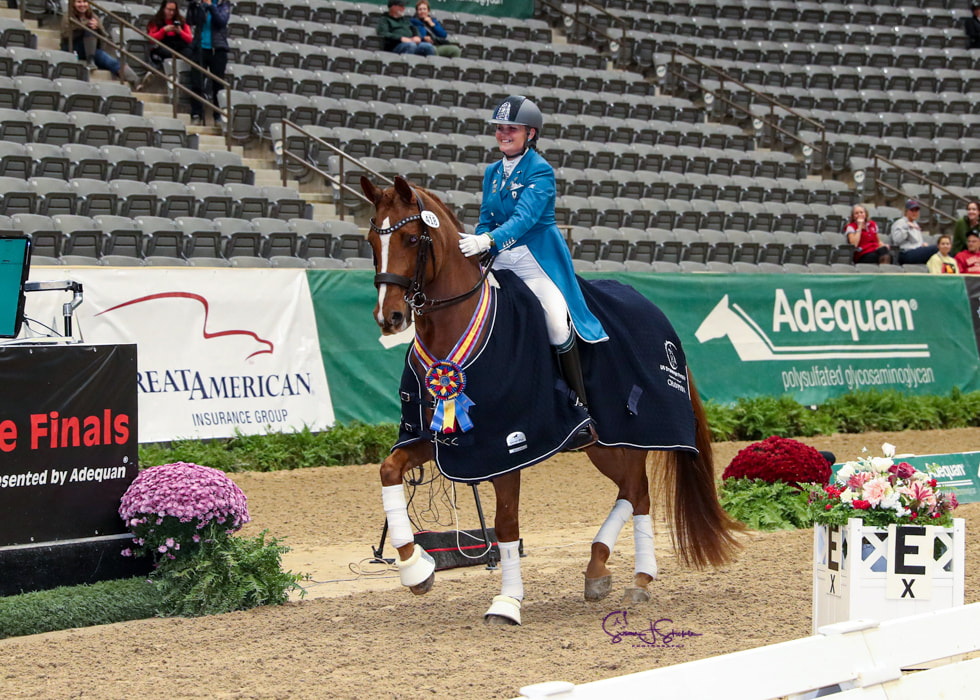
Advancement in classical dressage routines is marked by a gradual increase in difficulty and refinement. Riders and horses move from basic walk, trot, and canter work to more advanced figures and collected movements.
Each level builds upon the previous, ensuring that the horse is physically and mentally prepared for new challenges. Patience is essential—rushing can lead to confusion or tension. Regular assessment and adjustment of your training plan help maintain steady progress.
Common Challenges and Solutions
Even with careful adherence to traditional dressage schooling, riders may encounter obstacles. Common issues include stiffness, resistance, or loss of rhythm. Addressing these challenges requires a return to basics, focusing on relaxation and correct application of aids.
- Stiffness: Incorporate more bending exercises and transitions to encourage flexibility.
- Resistance: Check for discomfort or confusion, and simplify exercises if needed.
- Loss of Rhythm: Slow down and re-establish a steady tempo before progressing.
For additional perspectives and advice from experienced riders, consider reading this discussion on starting out in dressage.
Frequently Asked Questions
What is the difference between classical and modern dressage?
Classical dressage emphasizes the gradual, systematic development of the horse’s natural abilities, focusing on lightness, harmony, and partnership. Modern competitive dressage may sometimes prioritize precision and spectacle, but the best results are achieved when classical principles remain at the core of training.
How long does it take to see progress with classical dressage?
Progress depends on the horse’s age, experience, and temperament, as well as the rider’s skill. Consistent, patient training following classical methods typically yields noticeable improvements in relaxation, balance, and responsiveness within a few months.
Can any horse learn classical dressage?
Most horses, regardless of breed, can benefit from classical dressage schooling. The methods are designed to enhance the horse’s natural movement and promote soundness, making them suitable for a wide variety of equines.