

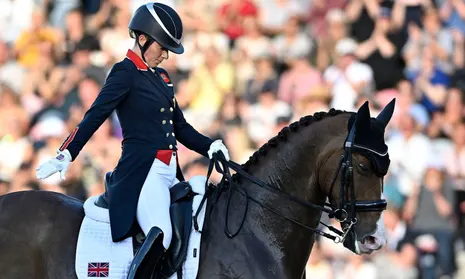
Dressage is often described as the art of harmonious movement between horse and rider. While it is a competitive discipline, the principles of dressage offer far-reaching advantages for horses of all breeds and backgrounds. Whether your equine partner is destined for the show ring or enjoys quiet trail rides, incorporating dressage techniques can lead to significant improvements in their physical health, mental well-being, and overall rideability.
In this article, we’ll explore the benefits of dressage training for horses, from enhanced athleticism to better communication. If you’re interested in equestrian safety, you may also want to learn about how to choose a helmet for eventing for comprehensive protection during all three phases.
Physical Advantages of Dressage for Equine Athletes
One of the most significant outcomes of structured dressage work is the development of a horse’s body. Dressage exercises are designed to improve balance, flexibility, and strength. Through movements such as circles, lateral work, and transitions, horses learn to engage their hindquarters, lift their backs, and carry themselves in a more athletic frame.
- Improved Muscle Tone: Regular schooling encourages even muscle development, especially along the topline and hindquarters.
- Enhanced Flexibility: Lateral movements stretch and supple the horse, reducing stiffness and the risk of injury.
- Better Balance: Dressage teaches horses to shift their weight back, making them more agile and less likely to trip or stumble.
- Joint Health: Controlled, low-impact movements help maintain healthy joints and can support longevity in performance horses.
Enhancing Communication and Partnership
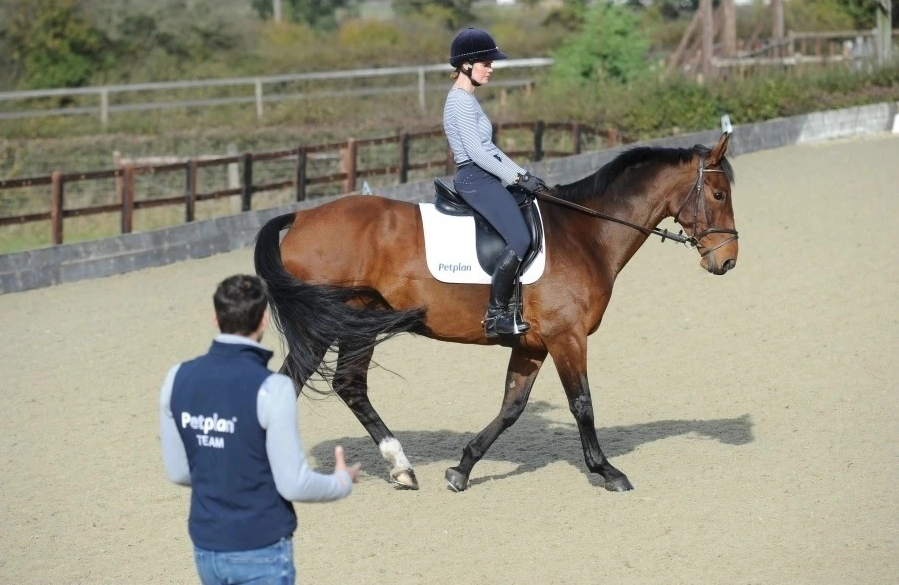
Dressage is built on the foundation of clear, consistent communication between horse and rider. The training process teaches horses to respond to subtle aids, fostering a deeper understanding and trust. This improved partnership is not only valuable in the dressage arena but also translates to other disciplines and everyday riding.
- Refined Responsiveness: Horses become more attentive to rider cues, making them easier to guide and control.
- Reduced Tension: The calm, systematic approach of dressage helps horses relax and focus, even in new or stressful environments.
- Stronger Bond: Consistent groundwork and mounted work build mutual respect and confidence between horse and rider.
Riders who invest in dressage often find their horses are more enjoyable to handle in all situations, from loading onto a trailer to navigating busy showgrounds.
Mental and Emotional Growth Through Dressage
Beyond physical conditioning, dressage supports the mental and emotional development of horses. The gradual progression of exercises encourages horses to think, learn, and solve problems, which can lead to a more willing and adaptable partner.
- Increased Focus: Horses learn to concentrate on their rider and the task at hand, tuning out distractions.
- Confidence Building: Achieving new skills and mastering movements boosts a horse’s self-assurance.
- Emotional Stability: The predictability and routine of dressage training can help nervous or excitable horses become calmer and more reliable.
For young or inexperienced horses, this type of training lays a solid foundation for future education, making them safer and more enjoyable companions.
Dressage as a Foundation for Other Disciplines
The skills developed through dressage are highly transferable. Many top eventers, jumpers, and even western horses incorporate dressage basics into their routines. Improved balance, responsiveness, and self-carriage benefit horses in any sport.
- Versatility: Horses with dressage backgrounds often adapt more quickly to new challenges, whether it’s a cross-country course or a trail obstacle.
- Injury Prevention: Proper movement and muscle development reduce the risk of strain and overuse injuries.
- Performance Enhancement: Horses that move efficiently and respond to light aids tend to excel in competition and pleasure riding alike.
If you’re interested in learning more about the basics of this discipline, this beginner’s guide to dressage offers a helpful overview.
Dressage Training and Everyday Horse Care
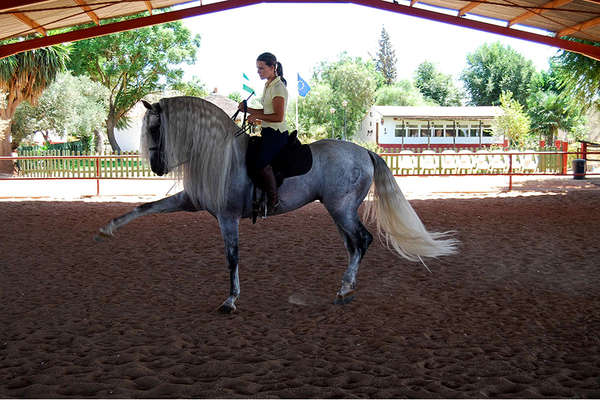
Incorporating dressage into your horse’s routine isn’t just about competition. Even basic exercises can make daily handling and care safer and more efficient. Horses trained with these principles tend to stand quietly for grooming, farrier visits, and veterinary care. They are also more likely to load calmly into trailers and adapt to changes in their environment.
For those interested in optimizing their horse’s comfort and safety, consider reviewing topics like how to evaluate helmet weight for neck comfort and common equestrian helmet fitting mistakes for comprehensive horse and rider well-being.
Frequently Asked Questions
What age should a horse start dressage training?
Most horses can begin basic groundwork and introductory dressage exercises as young as two or three years old, focusing on light, age-appropriate work. More advanced movements and sustained training are best introduced as the horse matures physically and mentally.
Is dressage suitable for all horse breeds?
Yes, dressage principles benefit horses of every breed and type. While some breeds may excel in competition, the foundational exercises improve movement, communication, and well-being for all horses.
Can dressage training help with behavioral issues?
Dressage emphasizes consistency, patience, and clear communication, which can address many common behavioral challenges. Horses often become more focused, relaxed, and responsive as they progress through a structured training program.
How often should dressage exercises be included in a horse’s routine?
For the best results, aim to include dressage-based schooling sessions several times per week. Even short, focused sessions can yield noticeable improvements in your horse’s movement and attitude.
Conclusion
The benefits of dressage training for horses extend far beyond the show ring. By focusing on balance, communication, and mental engagement, dressage helps horses become healthier, happier, and more versatile partners. Whether your goals are competitive or recreational, integrating these techniques into your routine can lead to lasting positive changes for both horse and rider.