Dressage is often described as the art of harmonious riding, where horse and rider move together with balance, rhythm, and subtle communication. For newcomers, starting with the right beginner dressage exercises is essential to build a solid foundation, develop confidence, and ensure both horse and rider enjoy the process. This guide introduces core movements, explains their purpose, and offers practical tips to help you progress in your early dressage journey.
Before diving into specific movements, it’s helpful to understand the roots and philosophy behind this equestrian discipline. For those interested in the evolution of these techniques, exploring the history of dressage riding provides valuable context and appreciation for the sport.
Understanding the Basics of Dressage for Novices
At its core, dressage is about developing the horse’s natural athletic ability and willingness to perform. For those just starting out, focusing on dressage training basics helps establish clear communication and trust. Early sessions should prioritize relaxation, straightness, and rhythm, which are the building blocks for more advanced work.
Many beginners find it helpful to review resources like what is dressage training to clarify terminology and expectations. As you progress, you’ll notice improvements in your horse’s responsiveness, suppleness, and overall performance.
Essential Warm-Up Movements for New Riders
Every session should begin with a thorough warm-up. This prepares both horse and rider physically and mentally, reducing the risk of injury and promoting focus. The following warm-up routines are ideal for those new to the discipline:
- Free Walk on a Long Rein: Allow your horse to stretch its neck and back while walking forward energetically. This encourages relaxation and loosens muscles.
- Large Circles (20m): Riding large circles at walk and trot helps improve balance and steering. Focus on maintaining an even rhythm and gentle contact.
- Serpentines: These flowing curves encourage suppleness and require the horse to bend in both directions, enhancing flexibility.
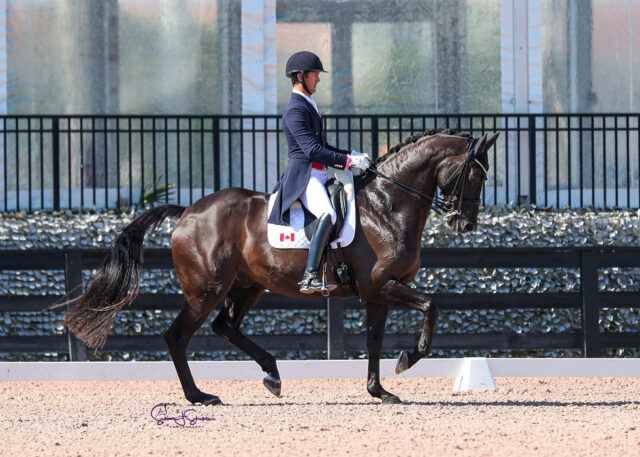
Core Beginner Dressage Movements to Practice
Once warmed up, it’s time to focus on structured beginner dressage exercises that form the foundation of all future progress. These movements are designed to enhance communication, improve balance, and develop the horse’s athleticism.
Transitions Between Gaits
Practicing smooth transitions—such as walk to trot, trot to walk, and halt to walk—teaches your horse to listen to subtle aids and improves overall responsiveness. Aim for clear, prompt transitions without rushing or resistance.
Riding Accurate Circles and Corners
Circles (especially 20-meter and 15-meter) are a staple in dressage. Focus on keeping the circle round, with even bend and consistent tempo. Properly ridden corners encourage engagement of the hindquarters and help with straightness.
Serpentines and Figures of Eight
These patterns require frequent changes of bend and direction, which help develop suppleness and attention. Start with three-loop serpentines at the walk, progressing to trot as you and your horse gain confidence.
Centerlines and Halts
Riding straight down the centerline and executing square halts is a fundamental skill in all dressage tests. This exercise improves straightness, focus, and obedience.
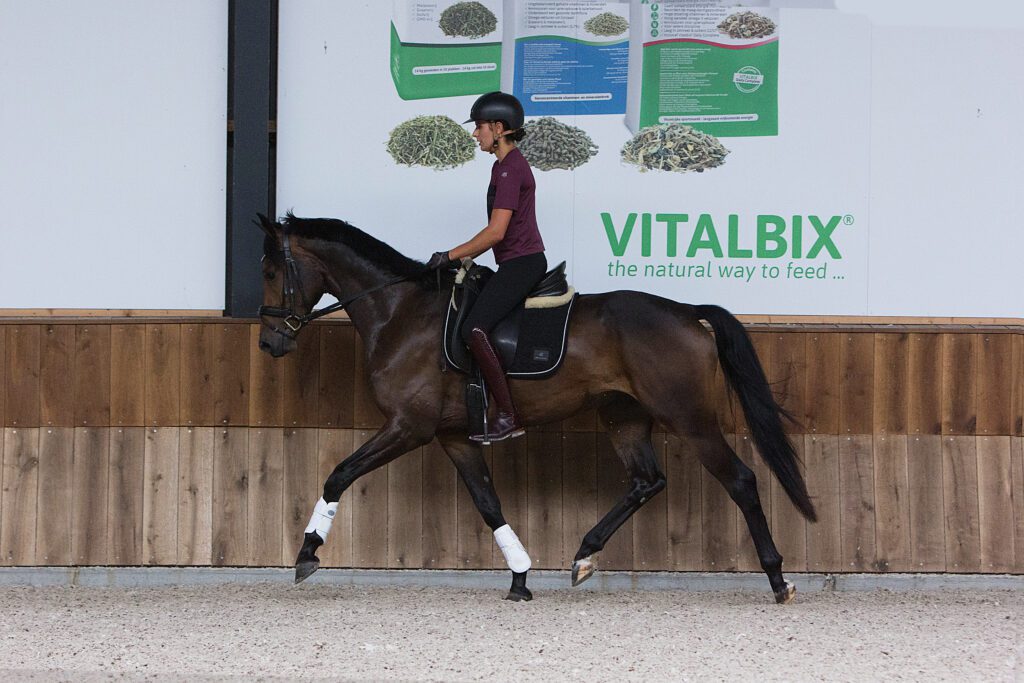
Tips for Success When Starting Out
Progress in dressage comes from patience, consistency, and attention to detail. Here are some practical suggestions to help you and your horse succeed with early exercises:
- Keep Sessions Short: Especially for green horses and riders, 20–30 minute sessions are ideal to prevent fatigue and frustration.
- Focus on Quality, Not Quantity: It’s better to perform a few movements well than to rush through many with poor form.
- Reward Progress: Use praise, gentle pats, and breaks to reinforce positive behavior and learning.
- Work with a Qualified Instructor: Regular lessons ensure you’re using correct aids and progressing safely.
Building a strong partnership is key. For additional ideas on strengthening your bond, consider incorporating horse bonding exercises into your routine.
Common Mistakes to Avoid in Early Dressage Training
Beginners often encounter similar challenges when learning dressage. Being aware of these pitfalls can help you make steady progress:
- Overusing the Reins: Relying too much on the hands can cause tension and resistance. Focus on using your seat and legs for communication.
- Neglecting Straightness: Always check that your horse is moving straight, especially on centerlines and during transitions.
- Skipping the Warm-Up: Never rush into advanced movements without properly preparing your horse.
- Expecting Instant Results: Dressage is a gradual process; celebrate small improvements along the way.
Additional Resources for Dressage Beginners
Continuing your education is vital for long-term success. For a comprehensive overview, this beginner’s guide to dressage offers clear explanations and practical advice. You can also deepen your understanding by reviewing dressage training basics and learning more about how dressage training works.
Frequently Asked Questions
What Equipment Do I Need to Start Dressage?
At the beginner level, you’ll need a well-fitting saddle (preferably a dressage saddle), a bridle, and basic grooming supplies. Safety gear such as a helmet is essential for the rider. As you progress, you may choose to invest in specialized tack and attire.
How Often Should I Practice Dressage Exercises?
Consistency is key. Aim for 2–4 sessions per week, keeping each session focused and positive. Allow your horse rest days and vary activities to maintain enthusiasm and prevent burnout.
Can Any Horse Learn Dressage?
Most horses can benefit from dressage training, regardless of breed or age. The exercises improve balance, flexibility, and communication. However, some horses may excel more naturally due to their conformation or temperament.
How Long Does It Take to See Progress?
Improvement depends on your starting point, consistency, and the horse’s previous experience. Many riders notice positive changes in rhythm, balance, and responsiveness within a few weeks of regular practice.