Dressage is often described as the art of riding and training a horse in a manner that develops obedience, flexibility, and balance. For newcomers and experienced equestrians alike, understanding basic dressage principles is essential for building a strong partnership with your horse and achieving progress in the arena. These foundational concepts not only enhance performance but also promote the horse’s well-being and willingness to work.
Whether you are just starting out or looking to refine your technique, mastering the essentials of dressage can transform your riding experience. Before diving into the core elements, it’s helpful to understand the roots and philosophy behind this discipline. If you’re interested in the background and evolution of this sport, you might enjoy reading about the history of dressage riding for a deeper perspective.
Understanding the Foundations of Dressage
At its core, dressage is about communication and harmony between horse and rider. The primary aim is to develop a horse’s natural athletic ability and willingness to perform, resulting in a supple, balanced, and responsive partner. The basic dressage principles serve as the building blocks for all levels, from introductory tests to advanced movements.
Riders often begin by focusing on rhythm, relaxation, and connection. These elements are not only crucial for competition but also for everyday riding and horse care. If you’re new to the discipline, exploring what is dressage training can provide a helpful overview of the process and expectations.
Key Elements of Dressage: The Training Scale
The classical training scale is a widely recognized framework that guides riders through progressive stages of development. Each step builds upon the previous one, ensuring a systematic approach to training. Here’s a breakdown of the essential stages:
- Rhythm: The horse should move with a consistent tempo and regularity in all gaits. Rhythm is the foundation for all other work.
- Relaxation: A calm and supple horse is more receptive to the rider’s aids. Relaxation reduces tension and allows for smoother movement.
- Connection: This refers to the soft, elastic contact between the rider’s hands and the horse’s mouth, achieved through correct use of the reins and seat.
- Impulsion: The horse moves forward energetically from the hindquarters, demonstrating controlled power and engagement.
- Straightness: The horse’s body aligns correctly along the line of travel, preventing drifting or crookedness.
- Collection: At advanced levels, the horse carries more weight on the hindquarters, resulting in increased balance and agility.
These principles are not isolated; they interact and reinforce each other throughout training. For a more detailed explanation of these concepts, the article on dressage training basics can be a valuable resource.
Applying Fundamental Dressage Concepts in Daily Riding
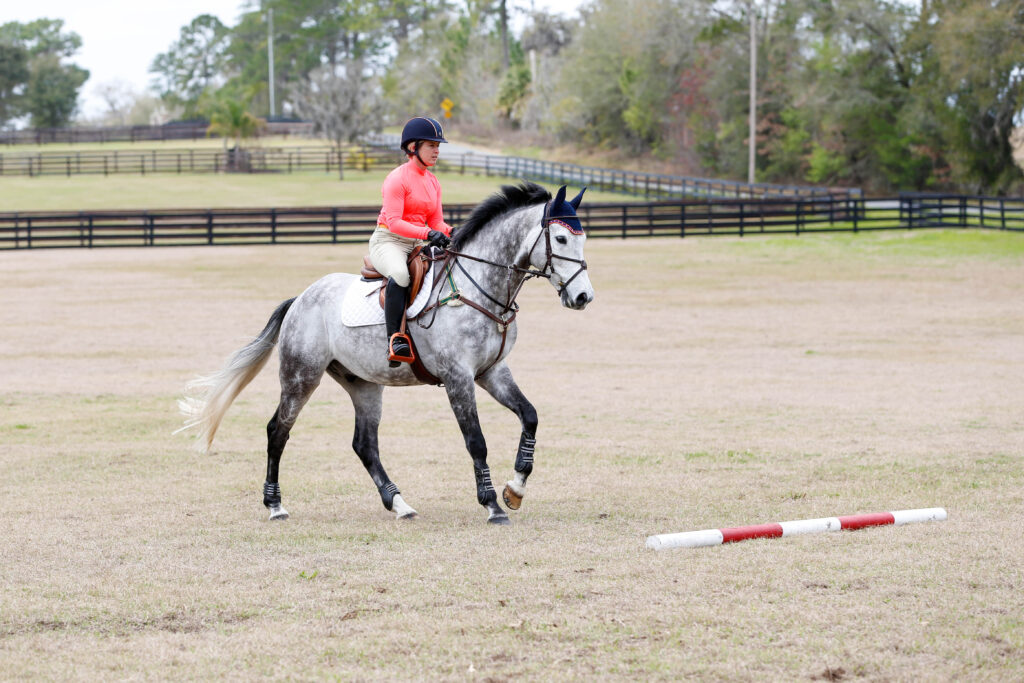
Incorporating these core ideas into your regular practice is key to steady improvement. Start each session with a clear plan, focusing on one or two aspects of the training scale. For example, you might dedicate a ride to improving rhythm and relaxation before moving on to connection and impulsion.
Consistency is crucial. Regular, mindful practice helps both horse and rider internalize the aids and responses needed for effective communication. Remember, progress in dressage is gradual—patience and attention to detail are your best tools.
Balance and Straightness: Pillars of Effective Riding
Achieving balance and straightness is a continuous process. A well-balanced horse moves freely and can respond promptly to the rider’s cues. Straightness prevents common problems such as drifting on circles or resistance in transitions.
Exercises like serpentines, circles, and lateral movements can help develop these qualities. For more practical advice on maximizing your marks and improving your horse’s way of going, consider reading tips for balance, suppleness, and collection in dressage.
Developing a Strong Partnership Through Dressage
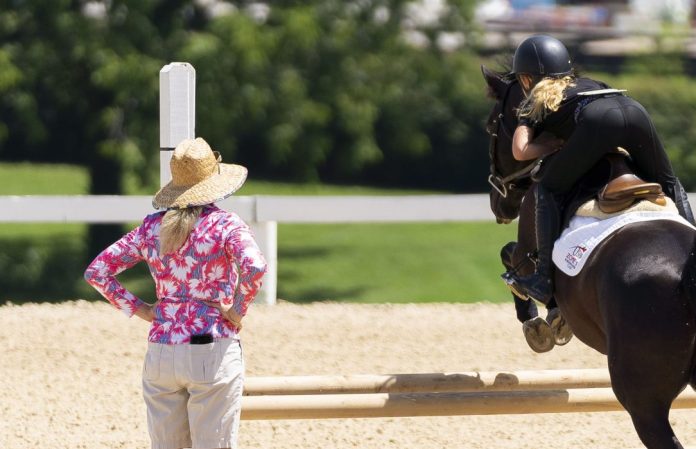
The relationship between horse and rider is at the heart of all progress in this discipline. Trust, patience, and clear communication are vital for success. Riders should strive to understand their horse’s strengths and challenges, adapting their approach as needed.
Groundwork and bonding activities outside the saddle can also enhance your connection. For ideas on building rapport, explore these horse bonding exercises that support mutual trust and respect.
Common Mistakes and How to Avoid Them
Even experienced riders can fall into habits that hinder progress. Some common pitfalls include:
- Neglecting the basics in favor of advanced movements
- Using excessive rein pressure instead of seat and leg aids
- Rushing through the training scale without establishing a solid foundation
- Ignoring signs of tension or discomfort in the horse
Regularly revisiting the fundamental dressage principles will help you identify and correct these issues. If you’re curious about how the training process unfolds over time, the article on how dressage training works offers a step-by-step look at the journey.
FAQ: Dressage Essentials for Riders
What Are the Most Important Principles for Beginners?
For those new to the sport, focusing on rhythm, relaxation, and connection lays the groundwork for all future progress. These elements ensure the horse is attentive, comfortable, and ready to learn.
How Can I Improve My Horse’s Balance and Straightness?
Incorporate exercises like circles, serpentines, and transitions into your routine. Consistent practice and attention to your own posture will help your horse develop better alignment and self-carriage.
Why Is Consistency Important in Dressage Training?
Regular, structured sessions help both horse and rider internalize the aids and responses needed for effective communication. Consistency builds trust, confidence, and muscle memory, all of which are essential for progress.
How Do I Know If My Horse Is Relaxed and Supple?
Signs of relaxation include a soft jaw, swinging back, and rhythmic breathing. A supple horse will bend easily around your leg and move fluidly through transitions without resistance.
Conclusion
Mastering the core concepts of dressage is a rewarding journey that benefits both horse and rider. By prioritizing the basic dressage principles, you lay a strong foundation for future success, whether your goals are competitive or simply to enjoy a harmonious partnership. Remember to approach training with patience, consistency, and a willingness to learn—both in and out of the saddle.