Dressage is often described as the art of harmonious riding, where horse and rider work together to perform precise, elegant movements. For those new to the discipline, understanding the foundational exercises is essential for building confidence and skill. In this guide, you’ll find basic dressage movements explained in clear terms, with practical tips for riders at every level. Whether you’re preparing for your first test or refining your schooling sessions, mastering these essentials will set you on the right path.
Before diving into the core exercises, it’s helpful to explore related aspects of riding technique. For instance, learning about hand position in dressage riding can greatly influence your communication with the horse and the quality of each movement.
Understanding the Fundamentals of Dressage
At its core, dressage is about developing a horse’s athletic ability and willingness to respond to subtle cues. The foundation consists of a series of movements that promote balance, rhythm, and suppleness. These exercises are not only required in competitions but also serve as building blocks for more advanced work.
Riders benefit from a solid understanding of dressage basics before progressing to more complex patterns. Consistent practice of these movements helps both horse and rider develop trust and communication, which are essential for success in the arena.
Key Movements Every Rider Should Know
Let’s look at the most common exercises found in introductory and training-level tests. Each movement serves a unique purpose in developing the horse’s way of going and the rider’s skill set.
1. The Halt
The halt may seem simple, but achieving a square, balanced stop is a true test of connection. The rider asks the horse to stop moving forward while maintaining straightness and engagement. A correct halt means the horse stands evenly on all four legs, attentive and ready to move off again.
2. The Working Walk and Trot
The working walk and trot are the foundation of all dressage work. In these gaits, the horse should move forward with energy, maintaining a steady rhythm and soft contact with the bit. The rider’s position and aids are crucial here, as they influence the horse’s balance and willingness to move.
3. The Circle
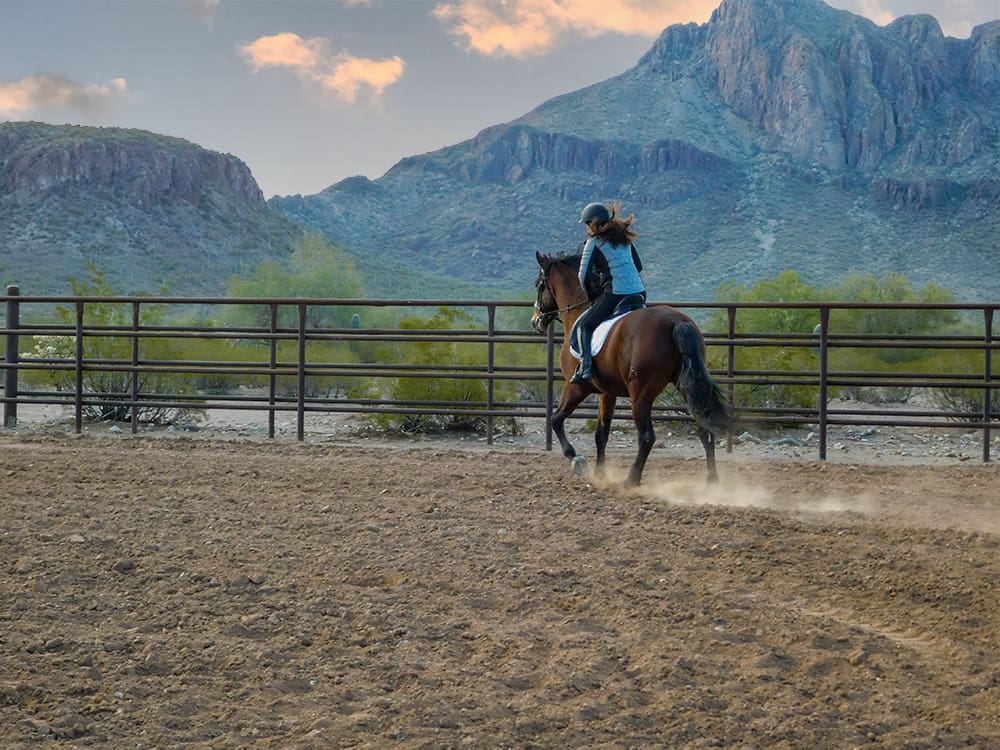
Circles, typically 20 meters in diameter, are a staple of dressage tests. Riding a round, even circle helps the horse become more supple and balanced. The rider must use their inside leg to encourage bend and their outside aids to maintain the shape.
4. The Serpentine
Serpentines are sequences of connected half-circles, usually performed across the arena. They test the horse’s ability to change bend and direction smoothly. Riders must prepare for each change by adjusting their aids and ensuring the horse remains balanced throughout.
5. The Change of Rein
Changing the rein, or direction, across the diagonal or through a circle, allows the horse to stretch and encourages even development on both sides. It’s also an opportunity for the rider to check straightness and connection.
6. The Free Walk
In the free walk, the horse is encouraged to stretch its neck forward and down, relaxing over the back. This movement demonstrates the horse’s trust and the rider’s ability to give a soft, following contact.
Improving Performance in Foundational Dressage Movements
Mastery of these exercises requires patience and attention to detail. Riders should focus on clear aids, consistent rhythm, and maintaining relaxation in both themselves and their horses. For more targeted advice, reviewing dressage rider balance tips can help you achieve a more stable and effective seat.
It’s also important to understand the role of effective leg aids in dressage and how they contribute to precise communication. Combining this knowledge with regular practice of the basic movements will lead to steady improvement.

Building on the Basics: Next Steps for Dressage Riders
Once you’re comfortable with the fundamental exercises, you can gradually introduce more challenging patterns and transitions. This might include lateral work, such as leg-yield or shoulder-in, which further develop suppleness and obedience.
Riders aiming to progress should also focus on developing an independent seat and refining their use of rider aids in dressage. These skills are crucial for effective communication and for advancing to higher levels.
For a deeper understanding of the underlying principles, the dressage principles outlined by British Dressage provide a comprehensive overview of the discipline’s goals and training methods.
Common Challenges and How to Overcome Them
Even experienced riders encounter obstacles when working on basic movements. Some of the most frequent issues include:
- Lack of straightness: Horses may drift or lose alignment, especially on circles or during transitions. Focus on keeping your aids clear and your body centered.
- Inconsistent rhythm: Maintaining a steady tempo is essential. Practice transitions within and between gaits to help your horse stay attentive.
- Tension or resistance: If your horse becomes tense, return to simple exercises and reward relaxation. Patience and positive reinforcement are key.
Regular lessons, video analysis, and feedback from experienced trainers can help you identify and address these challenges.
Frequently Asked Questions
What are the most important movements for beginners to master?
Beginners should focus on the halt, working walk and trot, circles, serpentines, and changes of rein. These exercises form the basis for all future dressage work and help establish balance, rhythm, and communication.
How can I improve my horse’s suppleness and flexibility?
Incorporating circles, serpentines, and frequent changes of direction into your schooling sessions encourages your horse to bend and stretch. Consistent practice and attention to your own position will also make a significant difference.
Why is rider position so important in dressage?
The rider’s position directly affects the horse’s balance and ability to perform movements correctly. A stable, balanced seat allows for clear aids and helps the horse remain relaxed and responsive. For more guidance, explore tips on how to develop an independent seat.
Where can I learn more about the principles behind dressage?
For a comprehensive overview, refer to the dressage principles from British Dressage. These resources explain the philosophy and goals that shape modern dressage training.
By focusing on these essential movements and building a strong foundation, riders and horses can progress confidently through the levels of dressage. Consistent practice, attention to detail, and a willingness to learn are the keys to success in this rewarding discipline.