Horses are deeply social animals with a rich language of connection. Whether they’re bonding with their herd or interacting with people, their ways of expressing care and trust are subtle yet meaningful. Understanding how horses show affection helps build stronger relationships and ensures better well-being for these sensitive creatures. This article explores the many ways equines demonstrate fondness, both towards humans and among themselves, and how you can recognize and reciprocate these gestures.
If you’re passionate about equine comfort and communication, you might also be interested in finding the Best Horse Saddles for your companion, which can enhance your riding experience and your horse’s happiness.
Recognizing Affectionate Behaviors in Horses
Horses use a variety of physical cues and behaviors to express their feelings. Some of these are easy to spot, while others require a keen eye and an understanding of equine body language. Here are some of the most common signs that a horse is showing affection:
- Nuzzling and Nudging: Horses often gently nuzzle or nudge people and other horses as a sign of trust and fondness.
- Mutual Grooming: Also known as allogrooming, this behavior involves two horses grooming each other’s necks and backs. Horses may also try to groom their human companions by nibbling gently.
- Following and Staying Close: A horse that chooses to follow you or stand nearby is demonstrating comfort and a desire for companionship.
- Relaxed Posture: Soft eyes, a lowered head, and relaxed ears often indicate that a horse feels safe and content in your presence.
- Whickering or Soft Vocalizations: These gentle sounds are often used to greet friends, both equine and human.
How Horses Show Affection to People
The bond between horses and humans can be incredibly strong. When a horse trusts and cares for a person, their actions reflect this connection in several ways. Recognizing these behaviors can help deepen your partnership and make daily interactions more rewarding.
Physical Contact and Touch
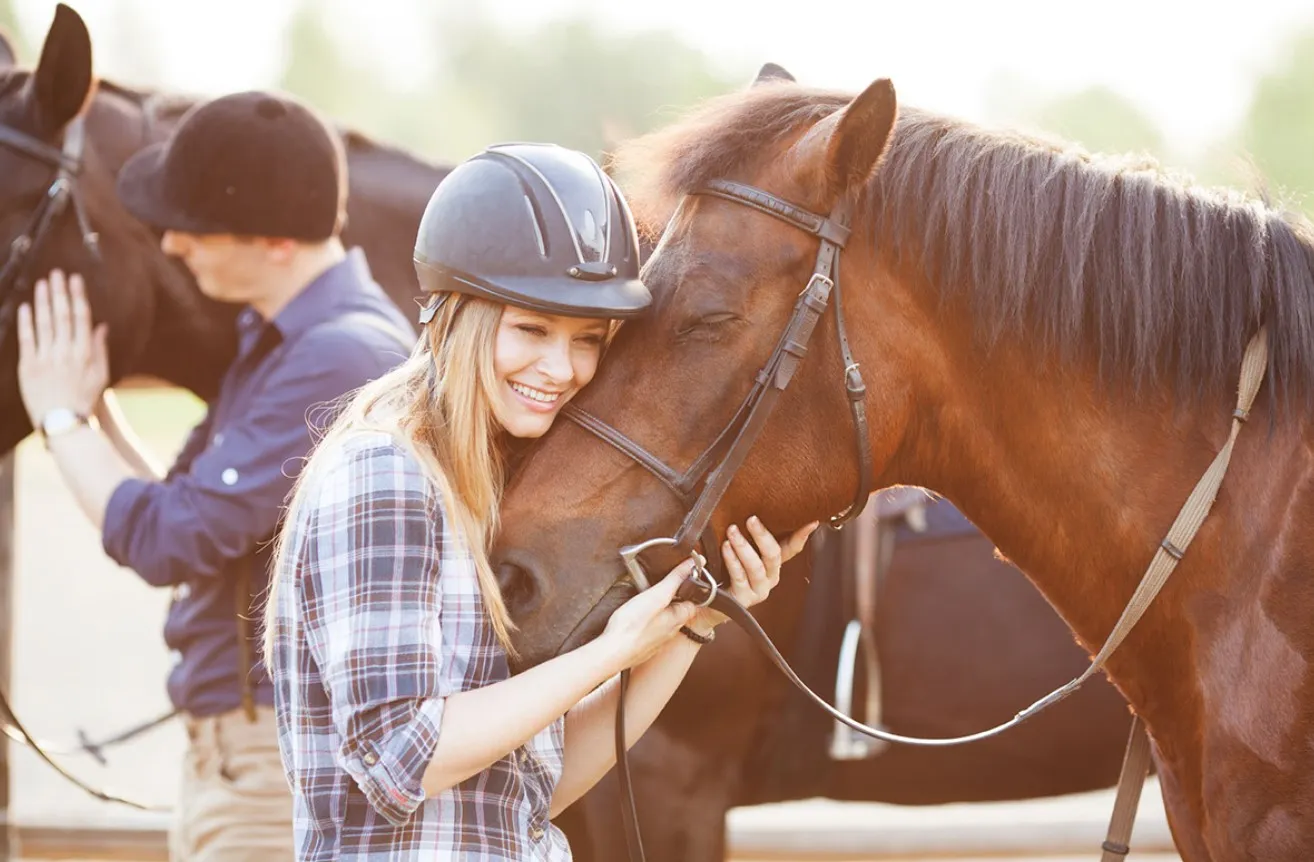
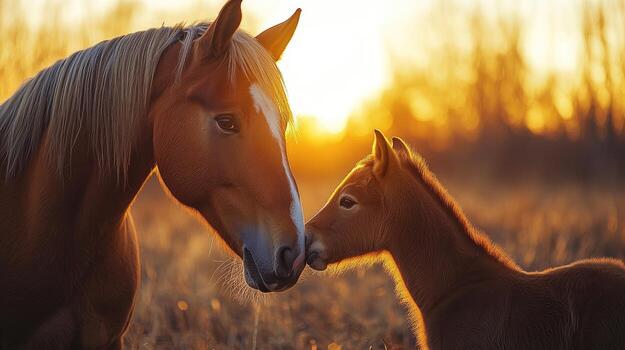
One of the most direct ways horses demonstrate affection towards people is through touch. A horse may gently press its muzzle against your shoulder, lean its head into your chest, or even rest its head on you. These gestures are signs of trust and comfort. Some horses will also try to groom their owners, mimicking the mutual grooming they perform with herd mates.
Following and Seeking Attention
When a horse willingly follows you around the paddock or arena, it’s a clear indication of attachment. Horses that seek out your presence, nudge you for scratches, or stand quietly beside you are expressing their fondness in a way that’s easy to recognize.
Relaxed and Happy Body Language
A relaxed horse will often have a soft, blinking eye, a drooping lower lip, and ears that are gently turned towards you. These subtle cues show that your horse feels safe and enjoys your company. Horses may also let out a contented sigh or blow softly through their nostrils when they are feeling particularly at ease.
For more insights on equine emotions and social bonds, the article exploring equine affection and bonding offers a detailed look at these behaviors.
How Horses Express Affection Among Themselves
Within a herd, horses form strong social bonds. Their ways of showing care to each other are both practical and emotional. Observing these interactions can teach us a lot about their natural instincts and needs.
Mutual Grooming and Social Touch
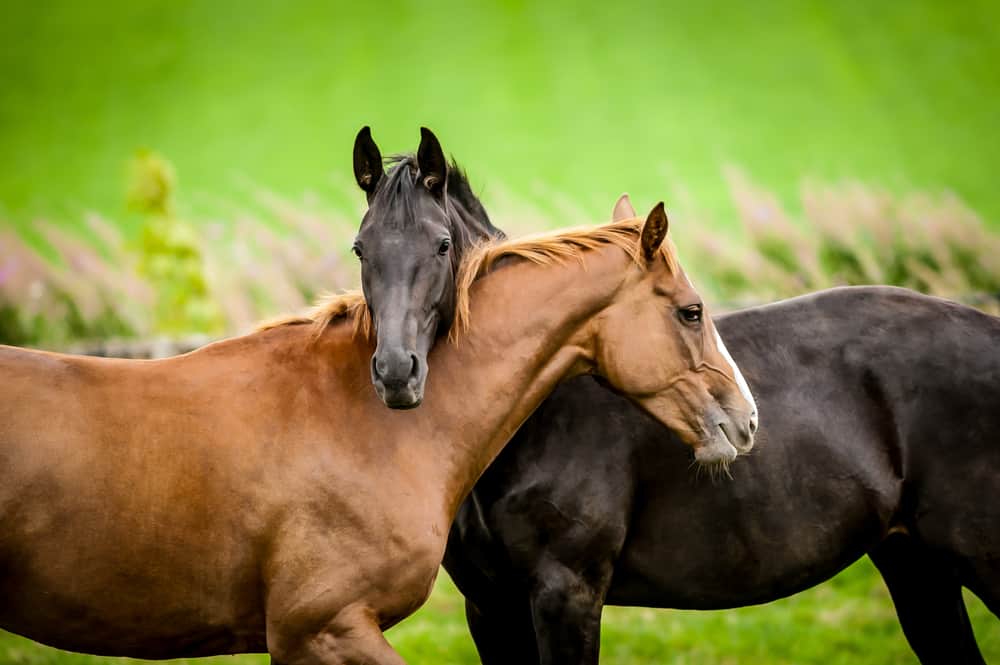
Allogrooming is one of the most visible signs of equine affection. Horses will stand side by side, using their teeth and lips to scratch each other’s necks, withers, and backs. This not only strengthens social bonds but also helps with hygiene and stress relief.
Standing Together and Herd Dynamics
Horses often stand close to their preferred companions, sometimes even touching sides or resting heads on each other’s backs. These behaviors signal trust and a sense of security within the group. Young foals, in particular, rely on this closeness for comfort and learning.
Protective Behaviors
In a herd, horses will look out for each other, especially when it comes to threats or new situations. A dominant horse may position itself between a perceived danger and a more vulnerable herd member. These protective actions are another way horses demonstrate care for one another.
To learn more about the emotional lives of horses and their social connections, visit this resource on understanding horse affection and relationships.
How to Respond to Your Horse’s Affection
Recognizing and reciprocating your horse’s gestures of trust can strengthen your relationship. Here are some tips for responding appropriately:
- Gentle Touch: Return your horse’s nuzzles and grooming attempts with calm, gentle strokes on their favorite spots, like the neck or withers.
- Quality Time: Spend time with your horse outside of training or riding. Simply being present and relaxed together can deepen your bond.
- Respect Boundaries: Pay attention to your horse’s body language. If they move away or seem uncomfortable, give them space and try again later.
- Positive Reinforcement: Use treats or soothing words to reward affectionate behavior, but avoid overfeeding. For ideas, check out the Best Horse Treats for healthy options.
Why Understanding Equine Affection Matters
Being able to interpret how horses show affection is not just about feeling closer to your animal. It’s also crucial for safety, training, and overall welfare. Horses that feel understood and respected are more likely to be cooperative, relaxed, and happy. This understanding can prevent misunderstandings that might lead to stress or behavioral issues.
Building a strong, affectionate bond with your horse takes time and patience. By learning their language and responding with empathy, you create a partnership based on mutual trust and respect.
Frequently Asked Questions
What are the most common signs a horse likes you?
Horses show they like someone by approaching them willingly, following them, nuzzling, and displaying relaxed body language such as soft eyes and a lowered head. They may also greet you with a gentle whicker or stand quietly by your side.
Can horses form strong bonds with humans?
Yes, horses are capable of forming deep, lasting bonds with people. Through consistent, positive interactions and mutual respect, horses can develop trust and affection for their human companions.
Is mutual grooming only for other horses?
While mutual grooming is most common between horses, some will try to groom their human caretakers by gently nibbling or rubbing. This is a sign of trust and affection, but it’s important to set boundaries to ensure safety.